
News
ECOWAS directs immediate release of detained Nigerian onion trucks

ORO/WCA, the Regional Onion Observatory for West and Central Africa, has stated that the five onion trucks seized from Nigeria on Tuesday at Kotoku market in Ghana have now been released.
This was after the intervention of ECOWAS, thus avoiding what could have led to a diplomatic showdown between Nigeria and Ghana.
This was when the body requested for the development of a long-lasting framework for regional relations to avoid similar incidents in the future.
According to a statement released to newsmen on Saturday by the President of ORO/WCA, Aliyu Maitasamu, the trucks have been released and have been permitted to offload their cargo on Friday.
Earlier, the association had appealed to the Ghanaian government to intervene after onion trucks from Nigeria were detained by a traders’ group at Kotoku Market, disrupting supplies despite existing regional trade agreements.
Maitasamu noted that Ghanaian traders purchase more than 50 trucks of onions from Nigeria without discrimination, adding that Nigeria currently exports about 16 trucks of onions to Ghana every week, while the Republic of Niger supplies another 10 trucks under existing trade arrangements.
The association also commended the Federal Ministry of Industry, Trade and Investment of Nigeria, Ghana’s Ministry of Trade, Agribusiness and Industry, the Nigerian and Ghanaian High Commissions, the ECOWAS Trade Directorate, and other stakeholders for their roles in resolving the dispute.
While welcoming the resolution, ORO warned that the intervention addressed only the immediate crisis, saying the underlying issues responsible for repeated disruptions in the regional onion trade remain unresolved.
ORO, therefore, urged the ECOWAS Commission to convene a structured dialogue involving the governments of Nigeria, Ghana, and the Niger Republic, alongside onion associations and other stakeholders, to establish a mutually agreed framework for the movement and marketing of onions across the sub-region.
Maitasamu said: “We are pleased to confirm that the affected trucks have now been allowed to offload their consignments. This intervention prevented further losses to exporters and demonstrated ECOWAS’ commitment to promoting regional trade, dialogue, and cooperation among Member States.”
“While we welcome this positive development, it is important to note that the intervention addresses only the immediate situation involving the affected trucks. The underlying issues that have repeatedly disrupted the movement of onions within the region remain unresolved and require a sustainable, long-term solution.”
ORO proposed that the framework should be anchored on the ECOWAS Trade Liberalisation Scheme (ETLS), the African Continental Free Trade Area (AfCFTA), and the Pan-African Payment and Settlement System (PAPSS).
The group said the arrangement should include clear market access rules, harmonised quality and phytosanitary standards, transparent trading procedures, effective dispute resolution mechanisms, and efficient cross-border payment systems.
Maitasamu said, “A neutral, rules-based regional mechanism will not only prevent the recurrence of similar disputes but also strengthen regional integration, promote food security, facilitate intra-African trade, and enhance the competitiveness of the onion value chain across West and Central Africa.”
He reaffirmed the association’s commitment to working with ECOWAS, member states, and other stakeholders to develop practical and sustainable solutions that would strengthen regional cooperation and boost agricultural trade across West and Central Africa.

Atiku to Obasanjo: You’re bitter because I stopped your third-term agenda
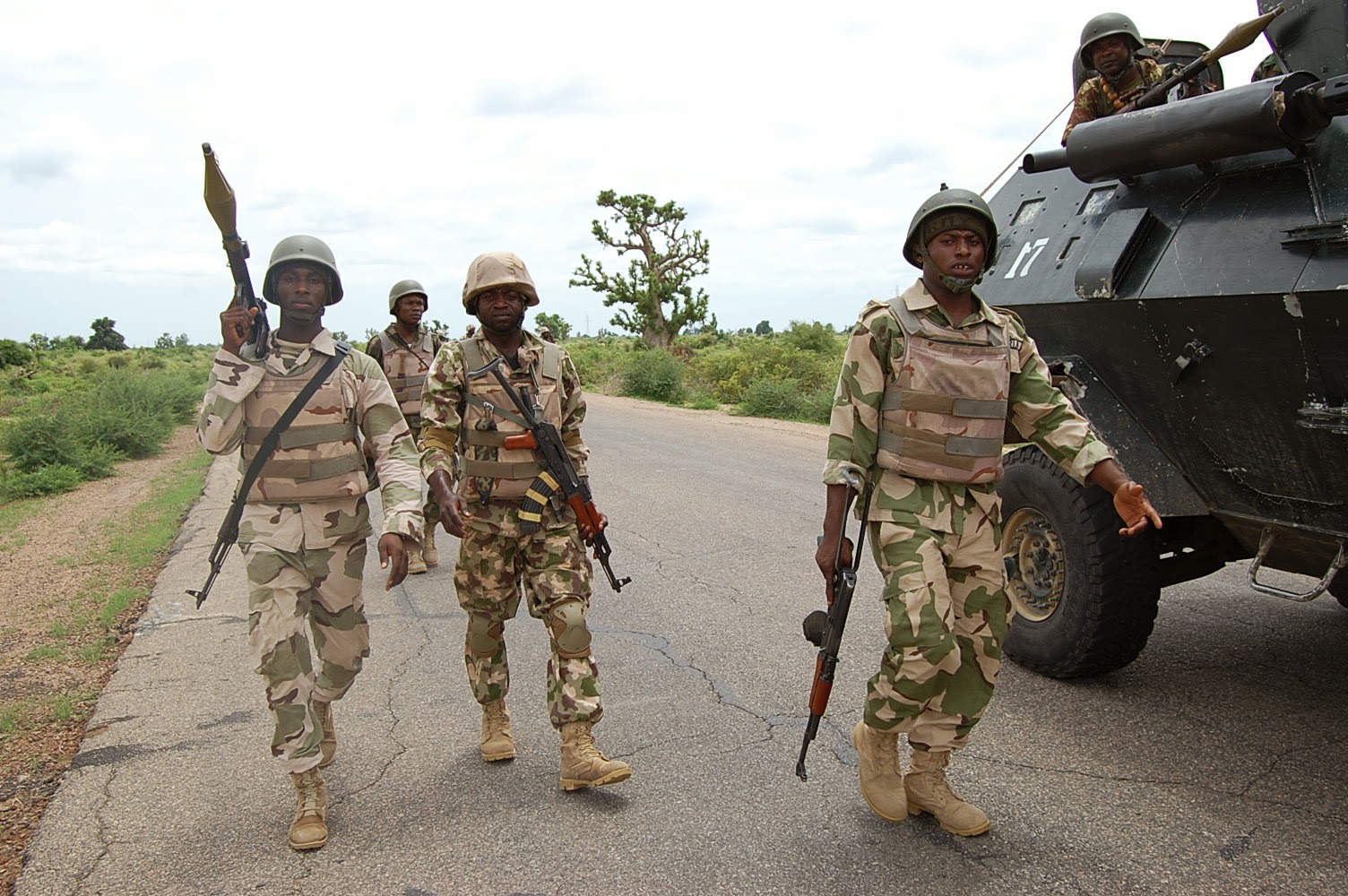
Enugu: Army rescues abducted senior officer, civilian

Two Police officers die after alleged collision with military officer’s vehicle in Kaduna

Charles Okocha wins boxing rematch after Portable’s walkout
Picking Atiku as my Vice President remains my biggest regret — Obasanjo

Police bust fake govt number plate syndicate, recover stolen assets in FCT

INEC set to publish personal information of Presidential, National Assembly candidates

Gunmen invade Gateway Polytechnic in Ogun, abduct 5 students

FG unveils plan to end power subsidies from 2027

APC behind Abia billboard levy, Kenneth Okonkwo claims

Eddie Howe resigns as Newcastle boss

Ex-Nigerian envoy to the UK Abubakar Alhaji passes away in Abuja

2027 polls: 685 APC LG chairmen declare support for Tinubu, promise mobilisation

DSS slams fresh terrorism charges on 5 convicted Ansaru members over Ogbomoso school attack

JAMB to inaugurate Segun Aina as new Registrar on Friday
Gunmen invade Gateway Polytechnic in Ogun, abduct 5 students
Party first or resign: APC sends strong message to Tinubu’s appointees

Osun SSG Igbalaiye released from detention
APC behind Abia billboard levy, Kenneth Okonkwo claims
