
Politics
I did not receive security vote as Lagos Governor, says Fashola

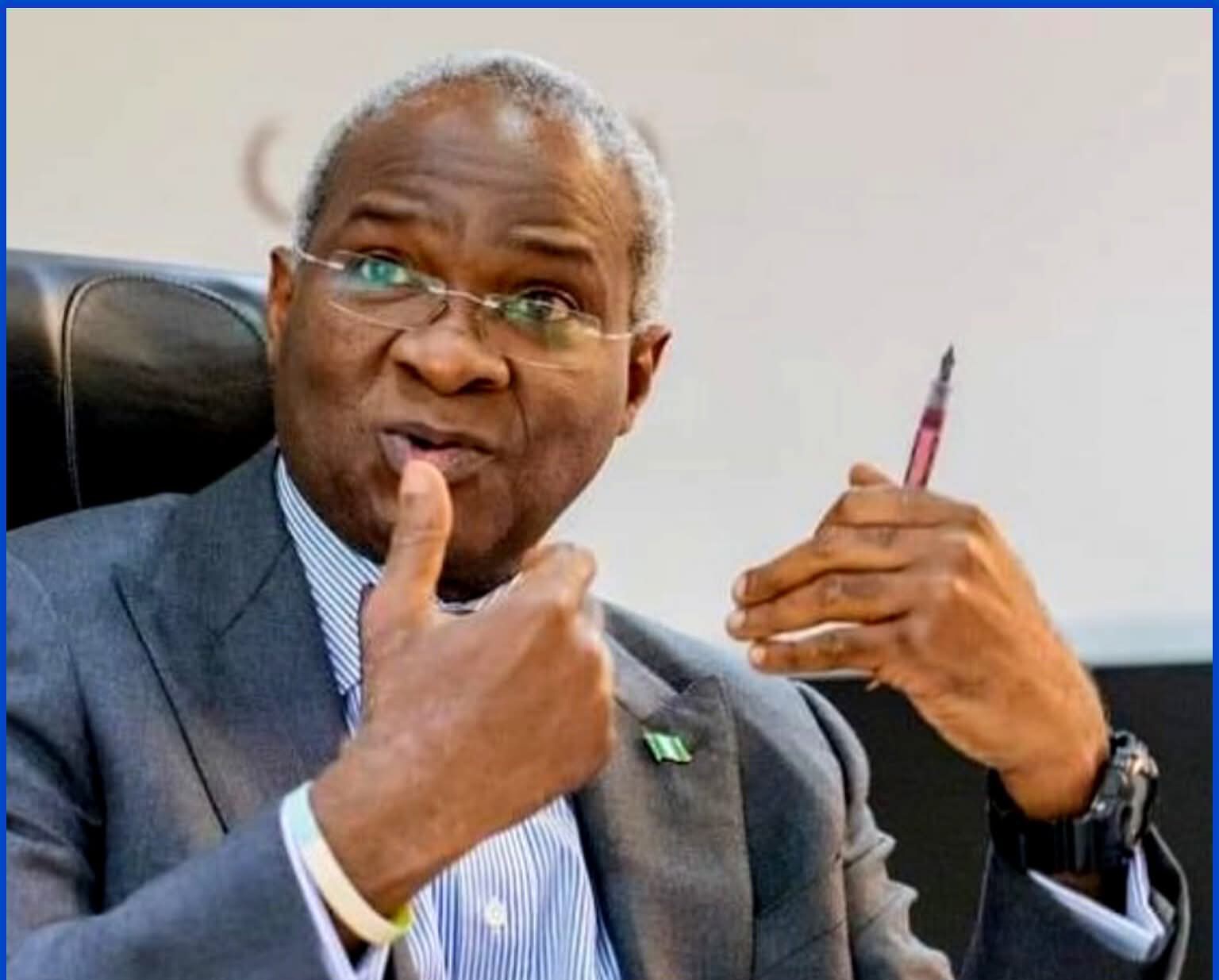
Babatunde Raji Fashola, SAN, former governor of Lagos State, has claimed that he never received the famous ‘security vote’ for the entire period of eight years as the state governor, adding that all security spending done in his time as a governor took place through institutional channels of the government.
According to reports, this revelation came from Fashola last Friday when he was addressing a panel discussion organized under The Platform Nigeria Special June 12 Lecture in Lagos.
This year, the lecture was arranged by Covenant Christian Centre under the leadership of Pastor Poju Oyemade and the theme of the session was “Governance, Democracy and National Security.” Addressing the issue of governance and security management, the former Minister for Works and Housing said that he has been amazed with the debate about the ‘security vote’ as he never had that facility even during his tenure as Lagos State governor.
“This security vote thing, whenever I hear some of my colleagues talk about it, I don’t know what it means because I never had it in Lagos,” Fashola said.
“I was the governor, I speak for what I know. All our acquisitions were domiciled in the Ministry of Budget and Planning. I didn’t get it, and in some instances, I don’t know from where they got it.”
Fashola stressed that governors have a constitutional responsibility to ensure the security of lives and property within their states and cannot evade that obligation.
“The Constitution prescribes that we are chief security officers of our states, and we can’t walk away from that. I accepted that title, and I did as much as I could with my team to make this place (Lagos) safer.
“We used to have a monthly security meeting. In eight years, we never missed that meeting. We took data every month,” he said.
According to him, one of the major initiatives of his administration was the establishment of the Lagos State Security Trust Fund, which brought together government and private sector stakeholders to support security operations in the state.
He further explained that the fight against crime and insecurity during his administration extended beyond the procurement of weapons and security equipment, involving strategic policy interventions designed to reduce criminal opportunities.
Fashola cited the introduction of cashless transactions as one of the innovative measures adopted by his government to tackle crime in the State.
“We were the first to start the cashless policy because we found a way of making people get cash away from their homes, so there was no incentive. They don’t get abducted from their homes,” he said.
According to him, effective security management requires more than deploying armed personnel and equipment.
“It was not just a battle won with arms and guns, it was also a battle won with policies,” Fashola said.


Atiku to Tinubu: Don’t be ashamed, adopt my idea to cut petrol prices

‘Every Nigerian’s life matters’ — Tinubu directs investigation into miners’ deaths

Woman, 4 children burnt to death in Rivers house fire

Borno: Troops thwart attacks, eliminate four terrorists

October 1: Tinubu to address Nigerians as FG announces low-key independence celebration

Nigerian Army opens 92 Regular recruits intake recruitment

2027 Elections: INEC begins Ad Hoc staff recruitment

Illegal Mining: FG suspends NSCDC Commandant in Niger State

Toyin Abraham distances herself from APC 2027 campaign list

2027: Obi-Kwankwaso Movement names 59-member Presidential Campaign council

NAF acquires 5 new helicopters to boost security operations

Workers shut Education Ministry entrance, demand Alaussa’s removal

Benue: Troops rescue seven kidnap victims from criminal hideout

Anambra govt releases records of alleged unpaid debts incurred under Peter Obi

Lagos: Several rescued as multiple vehicles collide on Otedola Bridge

Nollywood Veteran Olu Jacobs dies at 84

Three vigilantes die in fresh attack in Plateau community

2023: Only 6 of 19 Northern governors supported Tinubu, says Shettima

Why Aisha Buhari visited me, Atiku reveals
