
World
Israel, Hezbollah reach truce as US brokers ceasefire deal

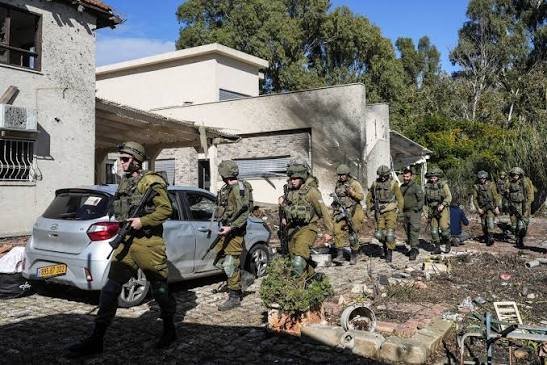
A ceasefire agreement has been reached between Israel and Hezbollah Friday, a US official said, following clashes between both parties in Lebanon, which threatened the success of the deal to end the Middle East conflict just two days after signing the deal.
Talks, which were supposed to happen Friday between the US and Iran in Switzerland as the next step in dealing with the agreement, have been pushed back due to the fighting, and there is yet to be an announcement of a new date.
While Tehran’s main negotiator has declared his country will not yield when it comes to its “red line,” its finger is still “on the trigger” despite a seeming increase in activity in the Strait of Hormuz, which was blocked throughout the war.
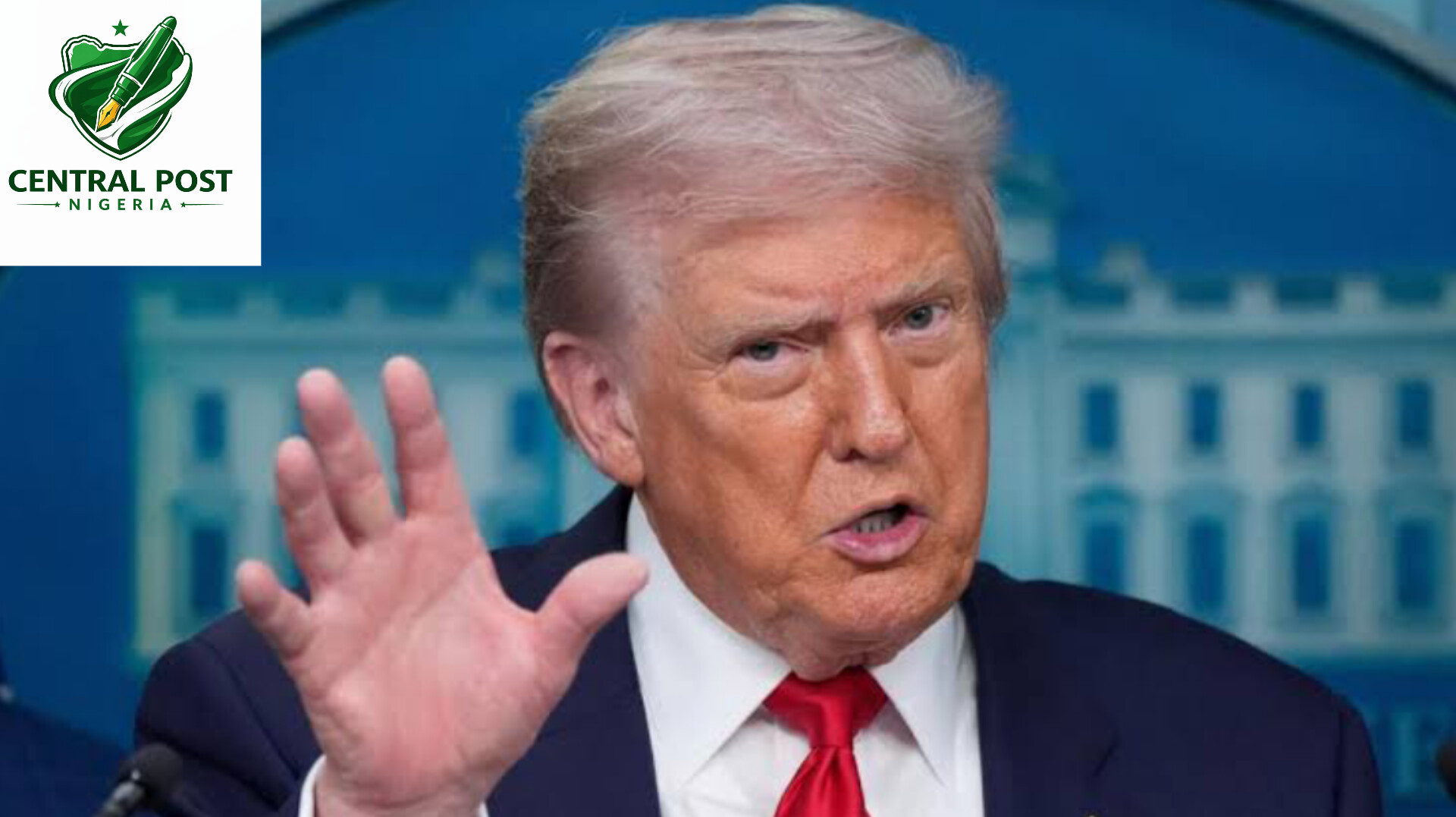
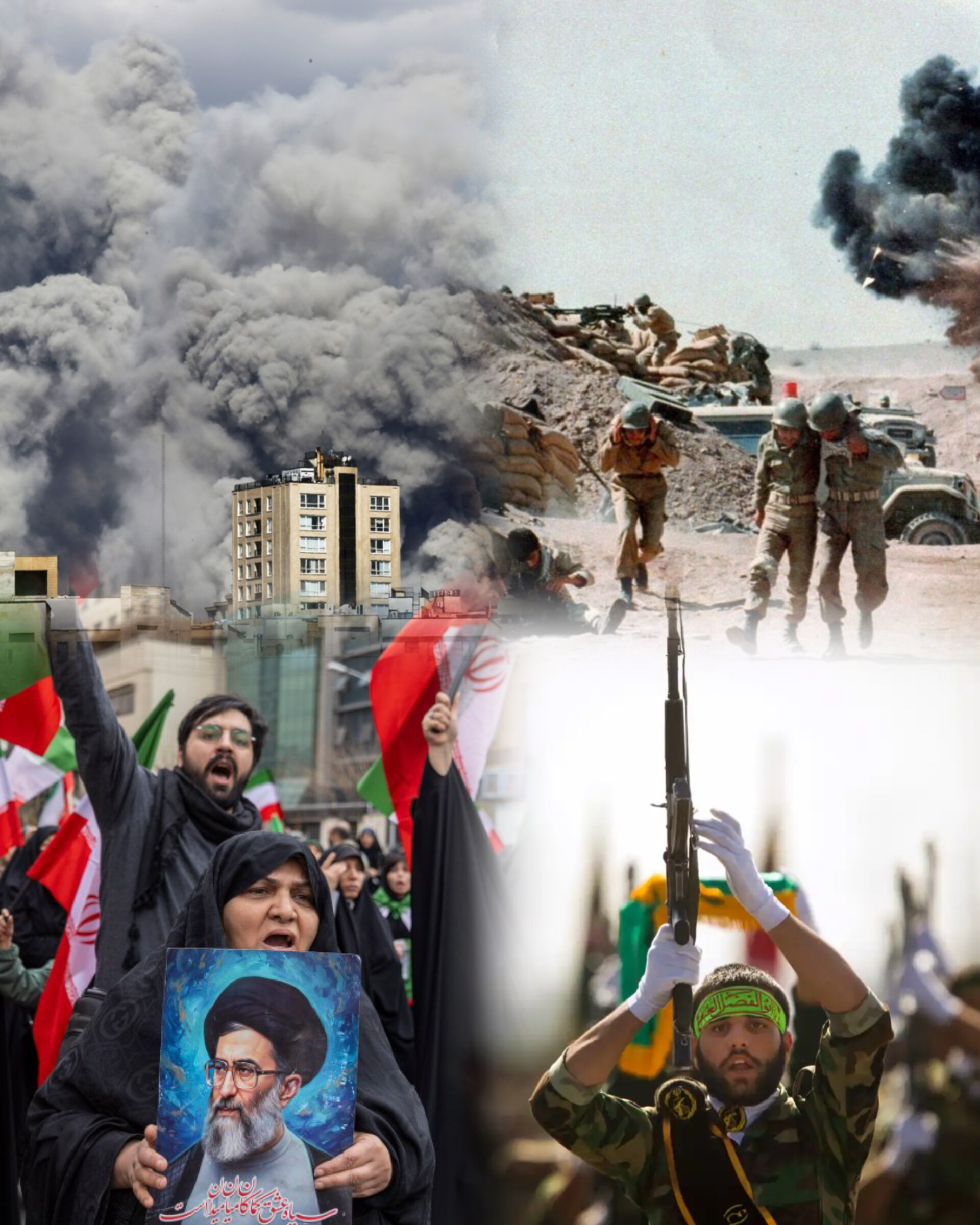
This week’s deal reached by President Donald Trump and his Iranian counterpart Masoud Pezeshkian seeks to end a war that broke out on February 28th following US-Israeli airstrikes, which claimed the life of the supreme leader Ayatollah Ali Khamenei.
The deal also aimed to end fighting in Lebanon, where Iran has always demanded it be included in any agreement since Israel’s ongoing campaign there has become a sore point for Washington.
Israel’s military said Friday that it had struck more than 80 Hezbollah targets in Lebanon and killed dozens of members of the Iran-backed group.
Lebanon said 21 people were killed Friday in Israeli airstrikes in the south, while Israel’s military reported four troops were killed, drawing furious reactions at home.
But a US official told AFP a truce between Israel and Hezbollah, beginning immediately, had been brokered by US and Qatari mediators following talks with Israel and Iran. A Gulf diplomat confirmed the ceasefire.
A previous truce agreed in April, however, did nothing to stop attacks by either side, and Prime Minister Benjamin Netanyahu had said just hours earlier that the Israeli army would stay in Lebanon “as long as necessary” and would make Iran-backed Hezbollah pay a “heavy price” for its attacks.
Far-right Israeli National Security Minister Itamar Ben Gvir went even further, saying after the soldiers’ deaths that “all of Lebanon must burn”.
Iranian Foreign Minister Abbas Araghchi accused Israel of only being interested in “permanent war”.
– ‘Two spoilers’ –
Preparations had been made to host Iranian and US delegations led by Tehran’s top negotiator Mohammad Bagher Ghalibaf and US Vice President JD Vance at the Swiss resort of Burgenstock, overlooking Lake Lucerne.
The talks were due to kick off a two-month period of negotiations to discuss outstanding issues not covered by the initial deal, notably Iran’s nuclear programme.
Switzerland’s foreign ministry confirmed the discussions had been postponed but said it “remains ready to facilitate these talks”.
Quoting diplomats, the Financial Times said Israel’s strikes on Lebanon had led to the postponement but there was no immediate confirmation.
A diplomatic source from regional player the UAE said there were “two spoilers” to the deal — namely that Israel “didn’t like it” and that there was also hardline opposition within Iran.
– ‘Crushing response’ –
Ghalibaf said on Friday that talks with the United States would remain bound by Tehran’s “red lines”.
“If the enemy seeks to be excessive, we have proven that our fingers are on the trigger and we have no hesitation in giving a crushing response to the enemy,” he said in remarks published by the official IRNA news agency.
Vance, meanwhile, has expressed a degree of exasperation with the Israeli government rare for a top US official, telling the New York Times “you can’t just kill your way out of solving every single national security problem that you have”.
Iran’s new supreme leader Ayatollah Mojtaba Khamenei, who succeeded his father, said Thursday that he had approved the accord with the US, despite holding a “different view”.
A key aspect of the deal was the immediate re-opening of the Strait of Hormuz, the key shipping bottleneck whose closure caused global energy prices to rise.
A total of 25 commercial vessels crossed the newly-reopened strait on Thursday, the highest number since mid-April, according to data from maritime tracking firm AXSMarine published on Friday.
A fifth of the world’s oil and liquefied natural gas exports passed through the strait in peacetime, according to economists.
American forces on Thursday lifted their parallel naval blockade of Iranian ports, the US military said, noting that American warships “will remain in the general area”.
Iran’s maritime authority said on Friday that all ships seeking to cross the Strait of Hormuz should submit a transit request “48 hours in advance”, despite its reopening
AFP

Suspected Herdsmen strike again, kill 4, injure 10 in Benue

Kano Postpones Mass wedding after screening reveals some brides are pregnant

Argentina Overcome Cape Verde in extra-time thriller to secure Last-16 berth

Abducted ex-APC official reportedly killed after 2 months in captivity

World Cup: Egypt eliminate Australia 4-2 on penalties, reach Last 16

INEC extends continuous voter registration deadline, launches online self-registration

Bandits launch deadly raid, kill traditional leader, son in Sokoto
Victims flee captivity after kidnappers fall asleep in Edo

Federal Government announces ₦39.63bn pension arrears payment

Court orders final forfeiture of ₦150m linked to Delta Lawmaker

Gbajabiamila cleared as Presidency rejects ₦400m bribery allegation, labels it scam

Jigawa sets ₦7.5m initial Hajj fare deposit for 2027 pilgrims

FRSC Recruitment 2026 Opens: How SSCE holders, graduates, artisans can apply

2026 FIFA World Cup: Five African Nations eliminated so far as continental dream faces fresh setback

Coup: 5 face trial over alleged plot to hide ex-gov Sylva

‘Explain the ₦1.3bn budget for fake agency to Nigerians’ — Atiku slams Tinubu

Naira appreciates further, trades at ₦1,385 per dollar in parallel market

Unknown gunmen kidnap Pastor, two church members in Benue

Major Police shake-up as PSC elevates 93 officers
