National News
Federal Government moves to replace JSS and SSS with 12-year Basic Education Model

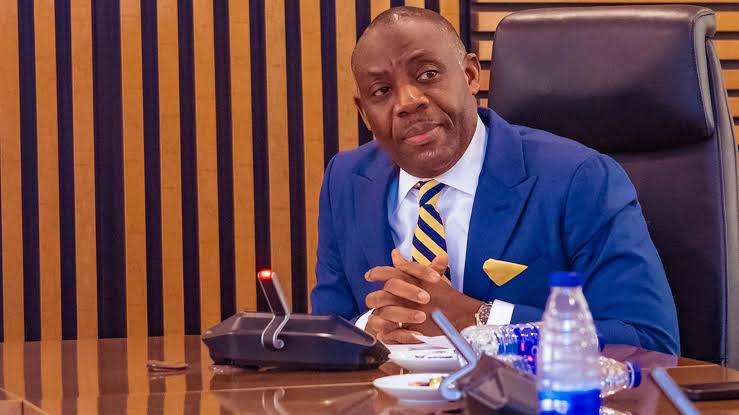
The federal government of Nigeria plans to abolish JSS/SSS separation policy, after learning that over 20 million students are unable to proceed beyond primary level education.
This was made known by the Minister of Education, Dr. Tunji Alausa on Tuesday in Abuja at the inauguration of Universal Basic Education Commission (UBEC) Ministerial Implementation and Monitoring Committee.
The minister stated that the current policy, which compels junior and senior secondary schools to operate independently with different principals and administration, has been a failure and is adding to the existing education crisis of the country.
Alausa explained that the assessment carried out by the ministry found that there is a huge mismatch in terms of school establishments throughout the nation, where the number of junior secondary schools is far less than required to accommodate the number of pupils passing out from primary schools.
“We have 20 million dropouts from primary school to JSS. Where are those students? We also found we have 80,000 public primary schools and only about 15,000 junior secondary schools. That’s a one-to-eight ratio,” he said.
The minister explained that the shortage of junior secondary schools has resulted in severe overcrowding in available facilities, while many senior secondary schools remain underutilised, particularly in Kaduna State and other parts of northern Nigeria.
Describing the current arrangement as unsuccessful, Alausa said the government has resolved to phase out the policy in order to improve access to secondary education and reduce dropout rates.
“This disarticulation policy has failed. We will phase it out. We can’t be creating positions because we want to create a director level for people while we harm our education system. It’s about doing what is best for every Nigerian child,” he stated.
He added that the proposal would be presented before the next meeting of the National Council on Education for deliberation and possible approval.
The minister noted that the planned reform forms part of the Federal Government’s broader strategy to expand access to quality education, improve learning outcomes and tackle long-standing barriers preventing millions of Nigerian children from progressing through the country’s education system.

World Cup: Egypt eliminate Australia 4-2 on penalties, reach Last 16

INEC extends continuous voter registration deadline, launches online self-registration

Bandits launch deadly raid, kill traditional leader, son in Sokoto
Victims flee captivity after kidnappers fall asleep in Edo

Federal Government announces ₦39.63bn pension arrears payment

Court orders final forfeiture of ₦150m linked to Delta Lawmaker

Family finds missing son in Rivers prison after 18 years, says his name was changed

Napoli appoint Massimiliano Allegri as new manager following Conte’s exit

Gunmen ambush ex-Benue SSG Prof. David Salifu, dies from sustained injuries

World Cup: Ronaldo, Ramos seal Portugal’s Last-16 qualification against Croatia

Gbajabiamila cleared as Presidency rejects ₦400m bribery allegation, labels it scam

Jigawa sets ₦7.5m initial Hajj fare deposit for 2027 pilgrims

FRSC Recruitment 2026 Opens: How SSCE holders, graduates, artisans can apply

2026 FIFA World Cup: Five African Nations eliminated so far as continental dream faces fresh setback

Coup: 5 face trial over alleged plot to hide ex-gov Sylva

‘Explain the ₦1.3bn budget for fake agency to Nigerians’ — Atiku slams Tinubu

Unknown gunmen kidnap Pastor, two church members in Benue

Major Police shake-up as PSC elevates 93 officers

Naira appreciates further, trades at ₦1,385 per dollar in parallel market
