
National News
Tinubu’s government slashes import duties on rice, vehicles, machinery

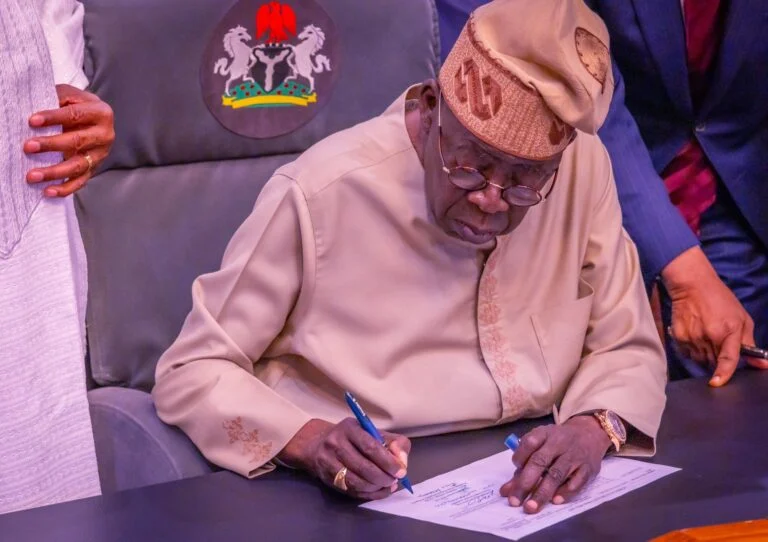
The Federal Government has embarked on the reduction of import duties on several essential items such as food products, cars, buses, electric vehicles, and manufacturing equipment as part of an extensive change in policy intended to bring down the cost of living in Nigeria.
The tariffs will be charged at the rates applicable from this July as set out in the 2026 Fiscal Policy Measures that have been adopted by the Minister of Finance and Coordinating Minister of the Economy, Taiwo Oyedele.
The changes are among the biggest changes in the country’s tariff system in recent times, and involve 127 tariff lines in the areas of food products, transport, manufacturing, and production.
This is coming as millions of Nigerians still face problems of high food prices, transport costs, and loss of purchasing power. Despite the fall in inflation from its level of close to 33 per cent in December last year, concerns exist regarding another round of price increases.
Recently, S&P Global raised Nigeria’s inflation forecast for 2026 to 16.9 per cent due to increased energy prices and their effect on fuel prices.
Food import duties reduced
A major component of the policy focuses on reducing import duties on widely consumed food items.
Under the new rates:
- Import duty on bulk rice has been reduced from 70 per cent to 47.5 per cent.
- Broken rice now attracts a 30 per cent duty.
- Raw cane sugar duties have been reduced to between 55 and 57.5 per cent.
- Crude palm oil duty has dropped from 35 per cent to 28.75 per cent.
The government said the reductions are intended to lower food prices and reduce production costs for food manufacturers.
Rice remains one of Nigeria’s most consumed staples, and officials expect the lower tariff to eventually reduce pressure on household food budgets if import cost savings are transferred to consumers.
However, analysts warned that exchange rate volatility, high fuel costs, logistics expenses and port charges could limit the immediate impact on retail food prices.
The transport and manufacturing sectors are also major beneficiaries of the reforms.
Passenger vehicle import duty has been reduced from 70 per cent to 40 per cent.
Mass transit buses and electric vehicles have been granted full import duty exemptions, while manufacturing machinery will now attract zero per cent import duty.
The government said the measures are designed to reduce transportation costs, encourage cleaner energy adoption and stimulate industrial production.
Industry stakeholders believe lower vehicle duties could help transport operators replace ageing fleets with more efficient vehicles, reducing maintenance costs and improving service delivery.
Since transportation accounts for a significant portion of food distribution costs, cheaper haulage could eventually contribute to lower food prices.
Despite welcoming the tariff cuts, several analysts warned that the policy alone may not produce immediate relief.
Public affairs analyst Kehinde Aluko argued that the government was shifting its tax strategy from imports to domestic consumption.
He noted that while import duties have been reduced, new excise duties on alcoholic beverages, soft drinks and tobacco products, as well as a green tax on high-engine-capacity vehicles, will take effect from July.
“The government’s strategy is not just about cutting revenue; it is about fundamentally shifting the tax burden from imports to consumption.
“The real question is whether relief at the ports will outweigh new costs consumers will face at the checkout,” he said.
Importers and freight forwarders said exchange rate instability, port charges, terminal handling fees, customs procedures and logistics costs remain major factors determining the final cost of imported goods.
They warned that unless those structural challenges are addressed alongside tariff reductions, Nigerians may not fully benefit from the reforms.
The National President of the Africa Association of Professional Freight Forwarders and Logistics of Nigeria, Frank Ogunojemite, said the success of the policy would ultimately depend on whether businesses and consumers experience lower costs.
“Reduced tariffs should lead to lower landing costs, increased import activities, improved business confidence and more affordable products for consumers,” he said.
The policy has also generated debate within the automotive sector.
Managing Partner of Transtech Industrial Consulting, Luqman Mamudu, argued that the tariff reductions may weaken local vehicle manufacturing by exposing domestic assemblers to cheaper imports.
He particularly criticised the zero-duty policy on commercial vehicles, warning that it could further undermine Nigeria’s growing assembly industry.
“The automotive industry has a multiplier effect on the economy. It requires deliberate government protection and incentives if local production is to survive,” he said.
However, the National President of the Association of Motor Dealers of Nigeria, Prince Ajibola Adedoyin, welcomed the decision, saying it would improve vehicle availability and make cars more affordable.
“It is an improvement. It will make the items more available and the prices more affordable,” he said.
While the Federal Government expects the new tariff regime to ease inflationary pressures, encourage investment and stimulate economic activity, economists say its success will largely depend on exchange rate stability, lower logistics costs and improved efficiency across Nigeria’s ports and supply chains.

World Cup: Egypt eliminate Australia 4-2 on penalties, reach Last 16

INEC extends continuous voter registration deadline, launches online self-registration

Bandits launch deadly raid, kill traditional leader, son in Sokoto

Victims flee captivity after kidnappers fall asleep in Edo

Federal Government announces ₦39.63bn pension arrears payment

Court orders final forfeiture of ₦150m linked to Delta Lawmaker

Family finds missing son in Rivers prison after 18 years, says his name was changed

Napoli appoint Massimiliano Allegri as new manager following Conte’s exit

Gunmen ambush ex-Benue SSG Prof. David Salifu, dies from sustained injuries

World Cup: Ronaldo, Ramos seal Portugal’s Last-16 qualification against Croatia

Gbajabiamila cleared as Presidency rejects ₦400m bribery allegation, labels it scam

Jigawa sets ₦7.5m initial Hajj fare deposit for 2027 pilgrims

FRSC Recruitment 2026 Opens: How SSCE holders, graduates, artisans can apply

2026 FIFA World Cup: Five African Nations eliminated so far as continental dream faces fresh setback

Unknown gunmen kidnap Pastor, two church members in Benue

Coup: 5 face trial over alleged plot to hide ex-gov Sylva

‘Explain the ₦1.3bn budget for fake agency to Nigerians’ — Atiku slams Tinubu

Naira appreciates further, trades at ₦1,385 per dollar in parallel market

Major Police shake-up as PSC elevates 93 officers
