National News
Africa Forward Summit: Nigeria will spend $11.6b on debt servicing in 2026 – Tinubu

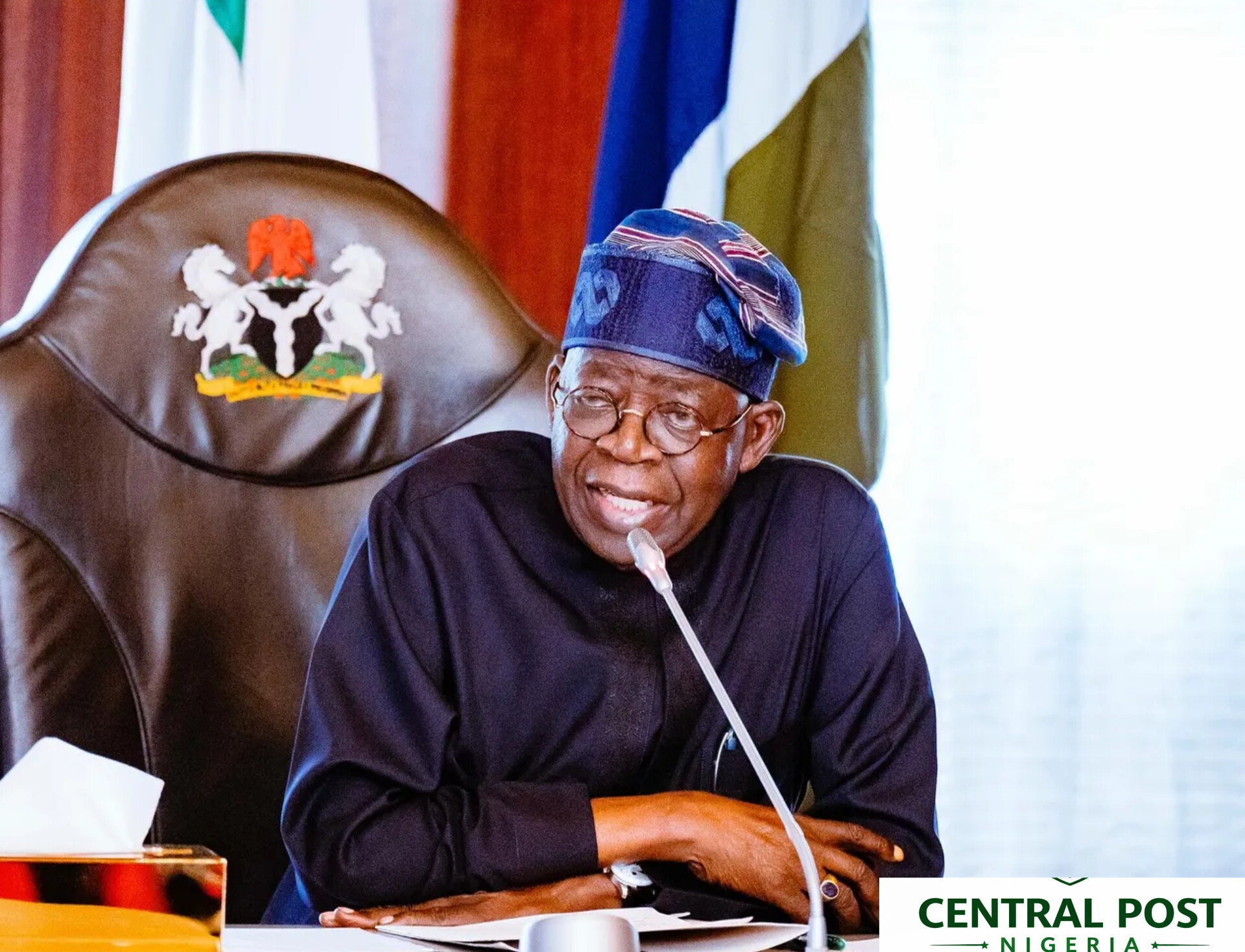
President Bola Ahmed Tinubu has disclosed that Nigeria would pay about $11.6 billion in debt service charges in 2026, noting that the rising debt burden in the country is increasingly impacting investments in strategic areas of the economy.
Tinubu disclosed the information during his speech at the Africa Forward Summit in Nairobi, Kenya.
The information was stated in a press release signed by the Special Adviser to the President on Information and Strategy, Bayo Onanuga.
Tinubu stated that almost half of the budgeted income of the Nigerian economy in 2026 would be used for debt service, making it hard for the federal government to invest in critical projects such as infrastructure and health care facilities.
“Every single dollar that leaves our treasury to pay punitive interest rates is a dollar that did not go into our steel sector, our textile mills, our agro-processed, or our digital industries,” Tinubu said.
He added that such funds could have been used to train young engineers or improve electricity supply for industries across the country.
Tinubu also argued that African countries continue to face unfair treatment in global financial markets, describing them as “permanent high-risk borrowers” despite ongoing economic reforms.
He criticised the cost of borrowing across the continent, noting that African manufacturers struggle to compete globally due to high interest rates compared to other regions.
“How can an African manufacturer compete with a competitor in Europe, Asia, or North America when the cost of borrowing in our nations is five to ten times higher?” he asked.
The President also went on to say that the international financial system works against Africa’s industrialization since it denies Africa access to affordable finance.
President Tinubu stated that Nigeria has made painful home-grown decisions such as removing fuel subsidies, consolidating the exchange rate, recapitalizing banks, and coming off the FATF grey list.
He argued that these policies have helped boost investor confidence, decrease the debt-to-GDP ratio to 32.3% by 2026, and build foreign exchange reserves of $45.5 billion.
Lastly, he said that Nigeria was not looking for financial assistance but a balanced international financial system that would help Africa industrialize, process her natural resources, and compete in the international market.







Atiku to Obasanjo: You’re bitter because I stopped your third-term agenda
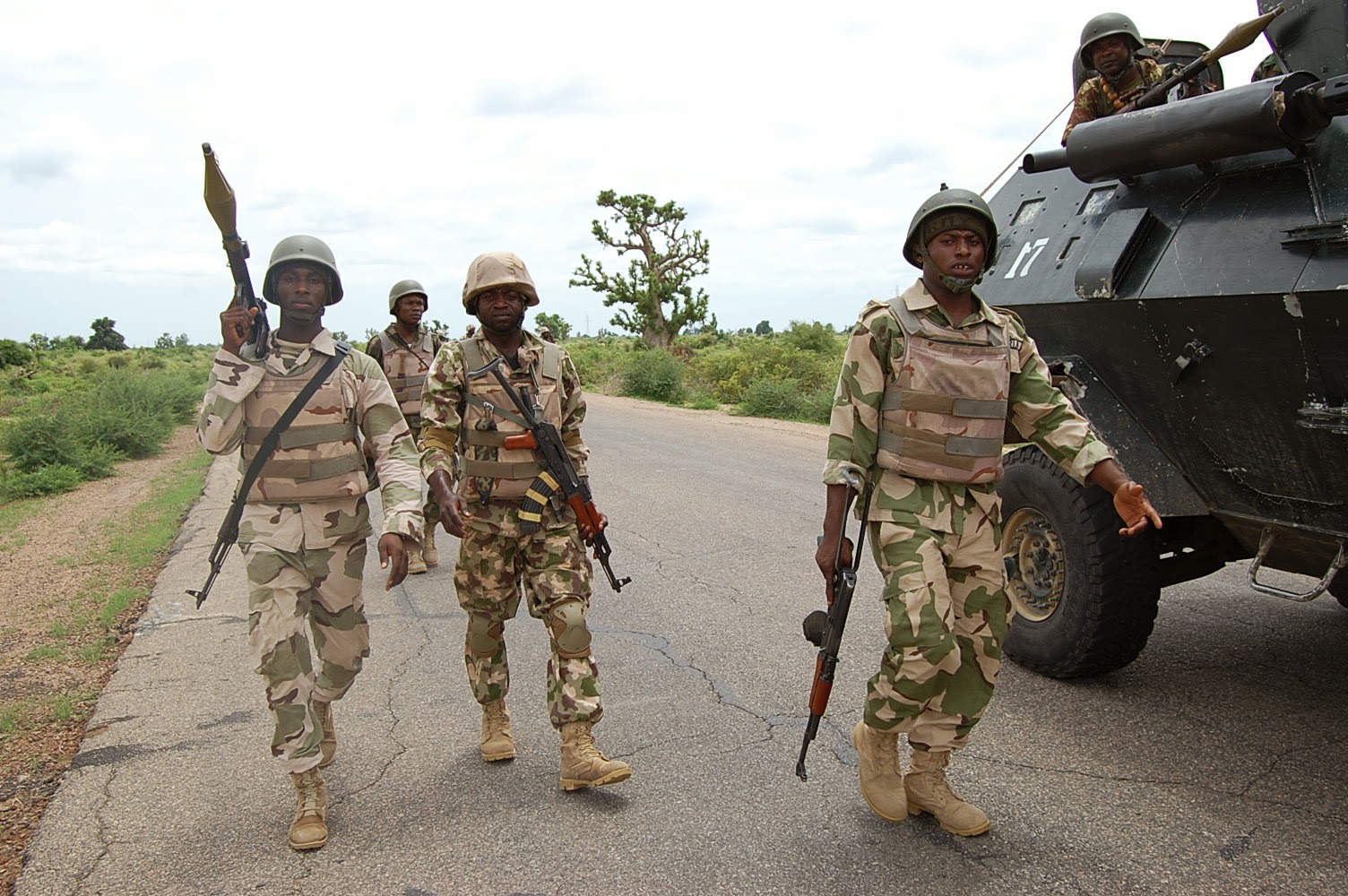
Enugu: Army rescues abducted senior officer, civilian

Two Police officers die after alleged collision with military officer’s vehicle in Kaduna

Charles Okocha wins boxing rematch after Portable’s walkout
Picking Atiku as my Vice President remains my biggest regret — Obasanjo

Police bust fake govt number plate syndicate, recover stolen assets in FCT

INEC set to publish personal information of Presidential, National Assembly candidates

Gunmen invade Gateway Polytechnic in Ogun, abduct 5 students

FG unveils plan to end power subsidies from 2027

APC behind Abia billboard levy, Kenneth Okonkwo claims

Eddie Howe resigns as Newcastle boss

Ex-Nigerian envoy to the UK Abubakar Alhaji passes away in Abuja

2027 polls: 685 APC LG chairmen declare support for Tinubu, promise mobilisation

DSS slams fresh terrorism charges on 5 convicted Ansaru members over Ogbomoso school attack

JAMB to inaugurate Segun Aina as new Registrar on Friday
Gunmen invade Gateway Polytechnic in Ogun, abduct 5 students
Party first or resign: APC sends strong message to Tinubu’s appointees

Osun SSG Igbalaiye released from detention
APC behind Abia billboard levy, Kenneth Okonkwo claims
