News
Tell Nigerians where the loans are going – Peter Obi to Tinubu

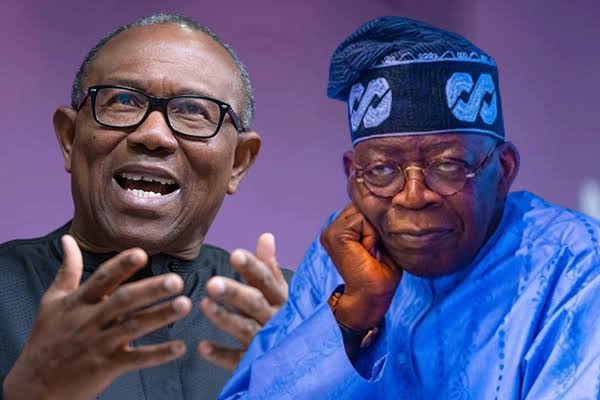
Peter Obi, the presidential candidate for Nigeria Democratic Congress (NDC) for 2027, has criticized the current administration of President Bola Tinubu for excessive borrowing and poor financial accountability.
According to Obi, the country’s total public debt had risen to almost N200 trillion under the present administration. The level of debt is alarming in terms of the rate at which it has accumulated under this administration.
The presidential candidate noted in a statement posted on his X handle on Tuesday that the national debt stock had doubled from the previous one in just three years, referring to the debt situation of the former President Muhammadu Buhari-led administration.
According to the former presidential candidate, this accumulation of public debt will make life even harder for Nigerians who are already suffering economically.
Obi went further to claim that the amount of borrowed money used by the government in the first three quarters of 2025 was above the expected budget target. He added that there were many uncertainties regarding the use of the funds not captured as capital expenditure.
From the figures provided by the Budget Office of Nigeria, the presidential candidate stated that only a small percentage of the borrowed money was used for capital expenditures.
“The question Nigerians deserve an answer to is what happened to the balance,” Obi said, calling for greater transparency and accountability in public finance management.
It is the position of the former Anambra governor that prudence calls for an explanation when the level of borrowing exceeds the set figures. This, according to him, is because people have a right to be informed of how their money is being used.
This statement was made in the midst of growing debate regarding the high levels of debt in Nigeria. While some people have been raising alarm over the dangers of borrowing, others have defended the decision, pointing out that the money is being invested in infrastructural development.
Some of the economic decisions made by the Tinubu administration include removing subsidies on fuel and liberalising the foreign exchange market, all with the aim of stabilizing the economy.






Former Plateau councillor killed as gunmen raid community

27 students withdrawn from Kogi University for Academic deficiencies

2027: Senator Rufai Hanga dumps NDC

Kidnapped Kebbi High Court Judge released from captivity

FG orders MDAs to secure budget approval before awarding contracts

Glasgow 2026: Nigeria wins 24 medals, emerges Africa’s Top Nation

Makinde, Fayemi, Oyinlola meet Obasanjo in Abeokuta over 2027 elections

Hausa Political music Star Kosan Waka passes away at 47

Over 70 residents kidnapped as gunmen attack military base in Zamfara

Gunmen invade Catholic church in Enugu, abduct Seminarian, worshipper during mass
Gunmen invade Catholic church in Enugu, abduct Seminarian, worshipper during mass

Two Police officers die after alleged collision with military officer’s vehicle in Kaduna

No casualties as fire breaks out at Lagos Airport terminal — FAAN

Charles Okocha wins boxing rematch after Portable’s walkout
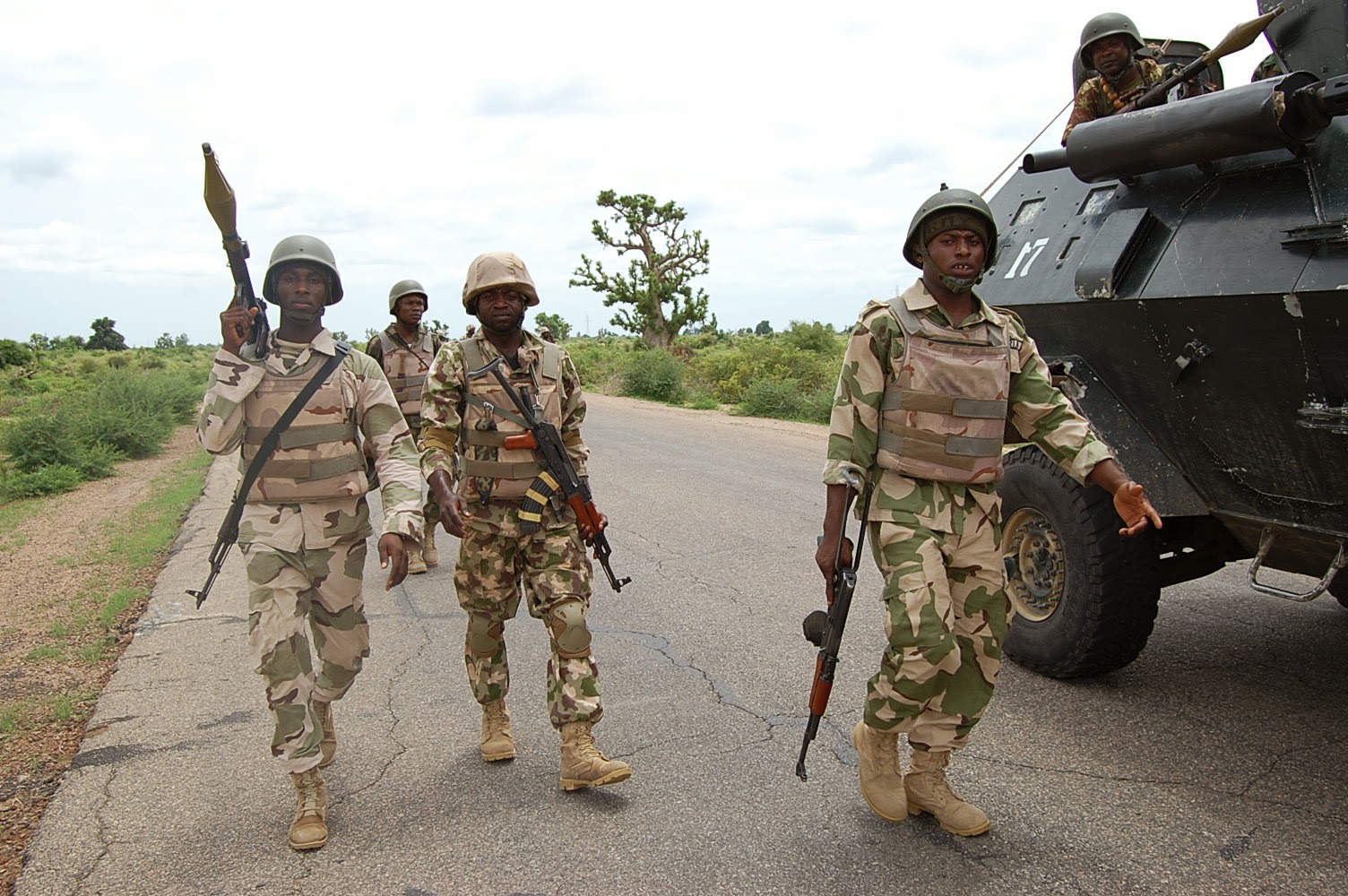
Enugu: Army rescues abducted senior officer, civilian

Atiku to Obasanjo: You’re bitter because I stopped your third-term agenda
Picking Atiku as my Vice President remains my biggest regret — Obasanjo

Veteran Juju star Saint Janet dies
Kidnapped Kebbi High Court Judge released from captivity