
News
Ethnic Profiling: ‘I understand pain of ordinary Fulani man, ‘I’ve endured stereotypes as Igbo man’ – Peter Obi

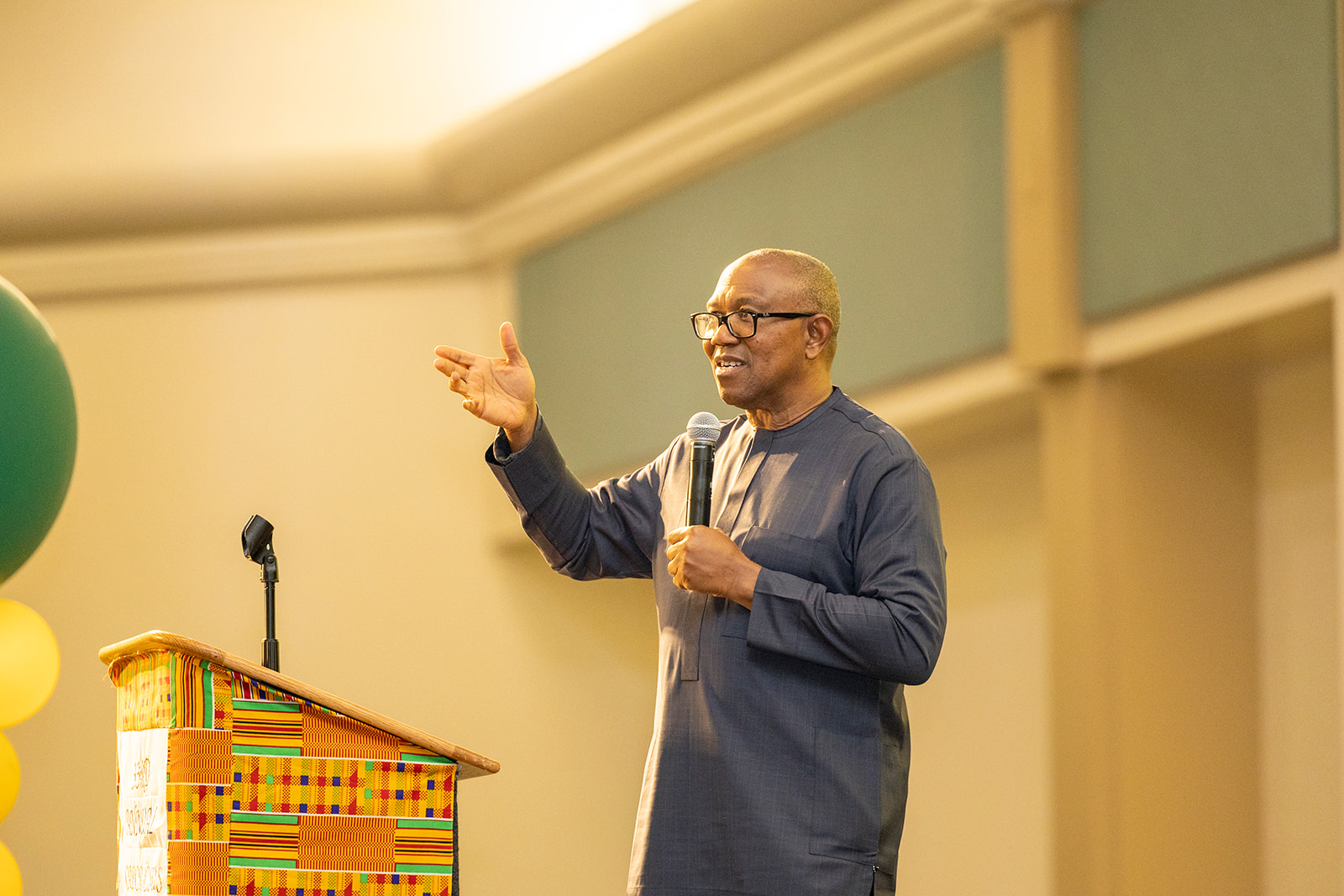
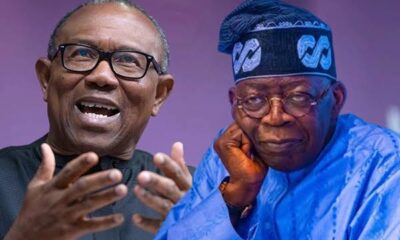
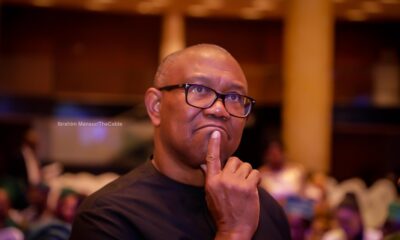
Peter Obi, who is the presidential candidate of the Nigerian Democratic Congress (NDC) in the 2027 election, has criticized the emerging pattern of ethnic profiling of crimes by the media, cautioning that such stories promote division and hatred and could potentially undermine the unity of Nigeria.
The statement came from Obi on Tuesday, June 8, 2026, in his post on X titled “Media Framing of Crime along Ethnic Lines: A Divisive Trend.”
As a past governor of Anambra State, Obi noted that he understood what it felt like to be prejudiced based on one’s ethnicity because he had experienced it himself.
“As an Igbo man, I have endured stereotypes, judgment, and labelling solely based on my ethnic origins. This is not an isolated Igbo experience. Most Nigerians have, at some point, been reduced to their ethnicity rather than recognised for their true character,” Obi wrote.
He extended his comments to the widespread profiling of Fulani people amid rising insecurity across the country, arguing that innocent individuals should not be blamed for crimes committed by others.
“I understand the pain of the ordinary Fulani man today, often unfairly judged by the actions of criminals he does not support, has never met, and who are not representative of his people,” he said.
Drawing parallels with the struggle against racial discrimination in the United States, Obi referenced the late civil rights leader, Martin Luther King Jr.
“Even in America, such unjust labelling fueled the civil rights movement and prompted Martin Luther King Jr. to declare that people should be judged by the content of their character, not the colour of their skin,” Obi stated.
Obi maintained that criminality should be treated as an individual act rather than an ethnic identity, insisting that offenders must be prosecuted under the law regardless of their background.
“Every Nigerian ethnic group is known for its unique traditions, occupations, skills, and strengths. Crime, however, has no ethnicity. A thief is a thief. A terrorist is a terrorist. A kidnapper is a kidnapper. They are bad actors, not representatives of any people. They must be identified, arrested, and punished according to the law,” he said.
He further warned that attributing crimes to entire communities is both unjust and dangerous.
“We must decisively abandon the dangerous practice of blaming entire ethnic groups for the actions of a few criminals. It is unjust, it breeds hatred, and it damages our national unity,” he said.
Obi also accused politicians and other vested interests of exploiting ethnic stereotypes for political advantage, urging Nigerians to resist divisive narratives.
“Let us proudly celebrate our diverse cultures, talents, and contributions, rather than falling prey to stereotypes and prejudices that politicians and divisive interests exploit for their gain,” he said.
Calling for a more inclusive and united nation, Obi said Nigerians must reject discrimination based on tribe, religion or place of origin.
“A new Nigeria must emerge—one where no citizen is condemned because of tribe, religion, or birthplace. We can cherish our cultural roots while standing united by justice, mutual respect, and hope for a better future. We are capable of this,” Obi said.
His comments come amid persistent debates over insecurity, banditry, terrorism and kidnapping in Nigeria, issues that have frequently generated controversy over the ethnic identity of perpetrators and accusations of collective blame against entire communities.
Ethnic profiling of the Fulani in Nigeria has become a troubling narrative: while some criminal groups such as bandits and violent herdsmen are of Fulani extraction, many innocent Fulani communities are unfairly stereotyped, leading to stigmatization and social division. Leaders and commentators stress that crime has no tribe, and profiling entire ethnic groups undermines national unity.
The Fulani are one of West Africa’s most widely dispersed peoples, with communities stretching from Senegal to Nigeria. They include pastoralists, traders, scholars, and urban professionals, not just herders.
In Nigeria, Fulani herders’ seasonal migrations often bring them into tension with farming communities. These clashes, sometimes violent, have fueled perceptions that Fulani herders are inherently linked to insecurity.
In recent years, some armed groups and bandits of Fulani origin have been involved in kidnappings, cattle rustling, and rural violence. These criminal acts have been widely reported, reinforcing stereotypes.
Many Nigerians now assume that Fulani identity equals criminality. Innocent Fulani families, traders, and professionals are often viewed with suspicion simply because of their ethnicity.





Lagos: Several rescued as multiple vehicles collide on Otedola Bridge

2023: Only 6 of 19 Northern governors supported Tinubu, says Shettima

Man remanded for allegedly killing friend with cutlass

Kano Anti-Graft Agency chairman steps down

Anambra govt releases records of alleged unpaid debts incurred under Peter Obi

Benue: Troops rescue seven kidnap victims from criminal hideout

Three vigilantes die in fresh attack in Plateau community

Workers shut Education Ministry entrance, demand Alaussa’s removal

First Lady Remi Tinubu gifts N20m to Qur’anic competition winner

Lagos Assembly approves 2026 Budget Reordering Bill

Desmond Elliot kneels before Gbajabiamila, seeks forgiveness

Resident doctors shut down LASUTH over unpaid allowances

FG directs immediate disbursement of funds to Regional Development Commissions

Bandits invade Sokoto community, abduct eight residents, steal livestock

Anambra govt: Soludo still repaying loans inherited from Obi, Obiano

Anambra: Kidnappers abandon victim, escape at Police checkpoint

Shettima arrives Nigeria after attending BRICS Summit in India

2027 Budget: FG plans September submission to National Assembly

Spain: Ikpeazu presents credentials to King, Begins Ambassadorial Assignment
