Special Features
Meet the Veteran Lawmakers dominating Nigeria’s National Assembly since 1999

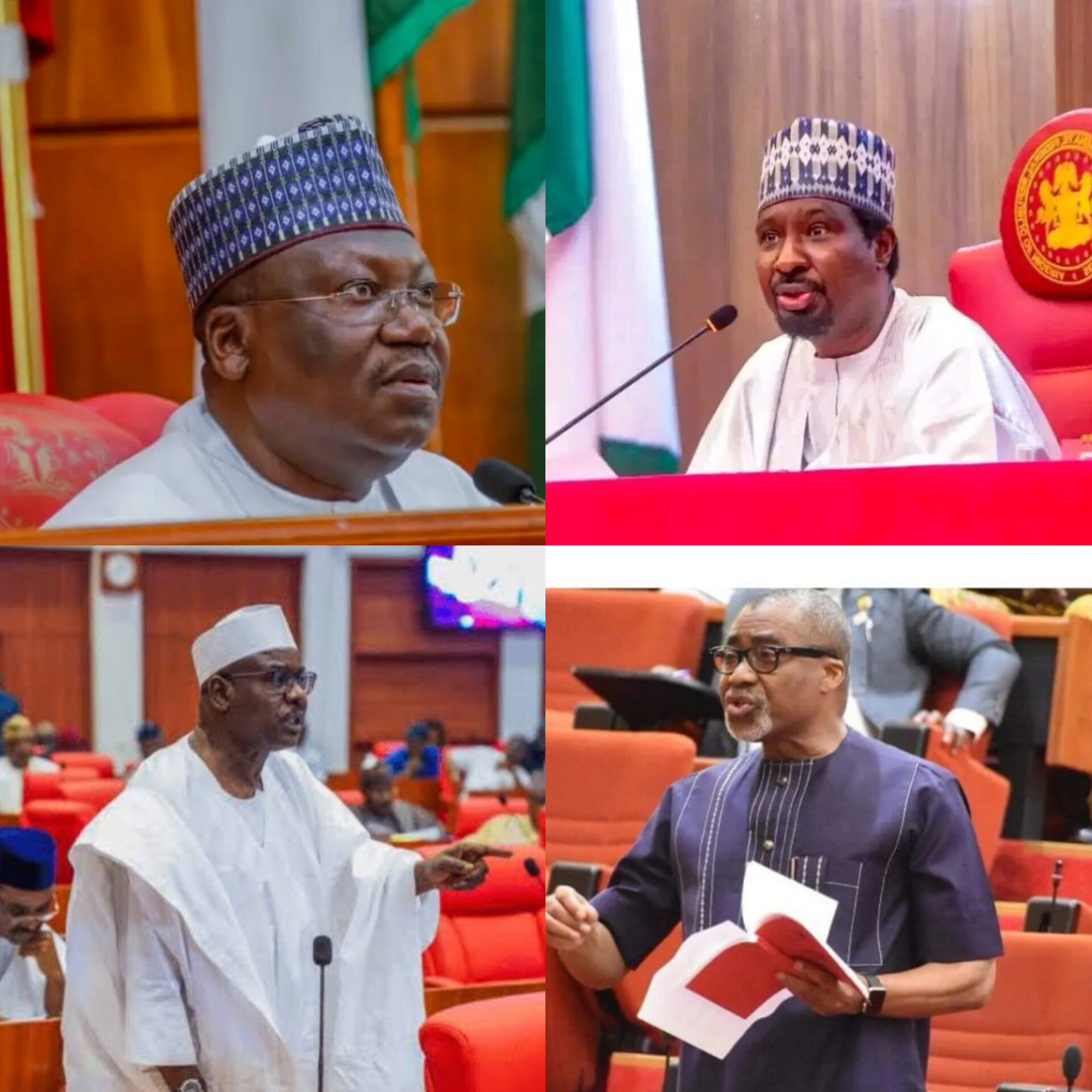
Since the restoration of democracy in Nigeria in 1999, only a few politicians have been able to sustain themselves politically.
Whereas various politicians including presidents, governors, ministers, and party leaders have succeeded each other, some legislators have become permanent occupants of the National Assembly for about three decades now.
The length of service has elevated them to the status of political institutions in themselves, exerting great sway in the structure of parties, government ministries, and legislative process.
Two such influential individuals include former senate president Senator Ahmed Lawan and Delta State legislature Nicholas Mutu. Both have continuously served in the National Assembly from the time of the inception of the Fourth Republic in 1999.
They will have spent twenty-eight years in the National Assembly consecutively by the end of the present term of office in June 2027.
According to Weekend Trust, both politicians have acquired nominations papers for their participation in the 2027 elections and debates about career politicians, dominance of legislatures, and youth involvement continue to rage.
On the one hand, supporters regard them as lawmakers with extensive knowledge of the process and immense influence nationally. On the other hand, their long-serving periods raise questions concerning development and democratic transition.
The debate surrounding long-serving lawmakers has become even louder ahead of the 2027 elections as Nigerians increasingly question whether extended legislative careers strengthen democracy or weaken political competition.
Here is an in-depth look at five of Nigeria’s longest-serving lawmakers and the controversies, achievements, and political influence surrounding them.
Senator Ahmed Lawan — From Yobe Representative to Senate President
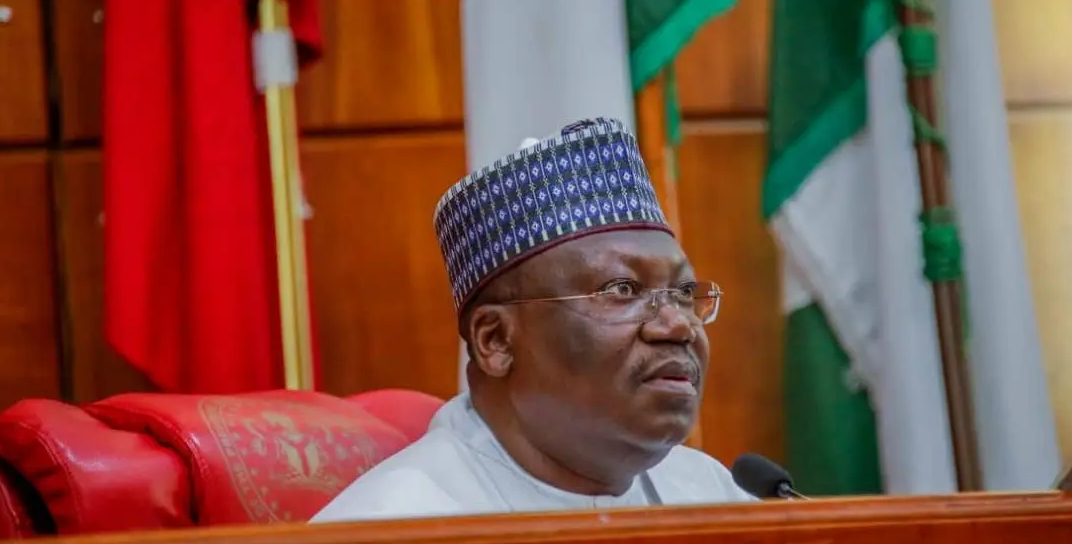
Ahmed Ibrahim Lawan has been among the most identifiable personalities in Nigeria’s contemporary political landscape.
A native of Yobe State, Lawan made his entry into the National Assembly in 1999 as a member of the House of Representatives representing the Bade/Jakusko Federal Constituency.
He stayed at that level between 1999 and 2007 before winning the election to occupy the position of senator representing the Yobe North Senatorial District in the 2007 general election.
Lawan has since been active in the Senate, getting re-elected several times and gradually moving up the ladder of leadership in the National Assembly.
He has chaired several important committees, such as those on Education, Agriculture, Public Accounts, and Defence.
He rose through the ranks of leadership, occupying positions such as Senate Majority Leader in the 8th Senate before being elected Senate President in 2019.
Lawan became one of the most prominent politicians in Nigeria due to his position as Senate President and Chairman of the 9th National Assembly.
His term was marked by some legislation, among which there was the approval of the much-awaited Petroleum Industry Act (PIA) that reshaped Nigeria’s petroleum sector following long political disagreements.
It is also suggested that the approval of the Nigerian budget from January to December under Lawan’s supervision facilitated the country’s budgeting processes and projects’ implementations within the ministries and various state institutions.
Finally, Lawan is known for being actively involved in legislative work and bills sponsorship.
There are reports saying that during his term in the parliament since 1999, Lawan proposed over 200 bills.
The bills linked with his name include: Recovery of Public Property (Special Provision) Repeal Bill, AMCON Act Amendment Bill, Nigeria Road Safety Commission Bill, Data Protection Bill, Public Holiday Act Amendment Bill, Traffic Warden Service Bill, university establishment bills, among others.
His advocates say that Lawan is one of the most experienced lawmakers in the country who has national contacts and good knowledge of governance.
Nevertheless, even with such a rich political background, Lawan’s popularity among Yobe North’s residents remains controversial.
Mixed Reactions from Constituents
For his supporters, Senator Lawan is one of the few stable political leaders in the country whose main interest is peace and development rather than populism.
Abdullahi Mohammed Nasir, a citizen of Machina town, called Senator Lawan one of the best leaders that Yobe State ever had.
According to his testimony, Lawan’s biggest asset is his calm approach and dedication to peace in the society.
“Unlike others who fight for power, Senator Ahmed Lawan always puts the security and peace of his people above everything else,” he said.
In addition, he said that youths in Yobe North benefited greatly from employment, political appointments, and education made possible because of Lawan’s efforts.
Similarly, a supporter known by the nickname Coach, Tijjani Ubali, attributed the federal presence in his locality to Senator Lawan.
He noted that despite criticisms against the senator, people do not consider the long-lasting interventions initiated in the area.
“Politics should focus on impact and commitment rather than political propaganda,” he explained.
There are also other supporters who recognize his contributions to the creation of North East Development Commission (NEDC), rehabilitation of roads, and job opportunities for youths of Yobe North provided by the federal government.
Ahmad Gash Umar, a resident of Karasuwa Local Government Area, described Lawan as a grassroots politician who prefers empowerment programmes over flashy public spending.
“He may not throw money around like some politicians, but he invests in people through jobs and support programmes,” he said.
However, not everyone shares such admiration.
Critics argue that Lawan’s prolonged stay in office has not produced enough visible development across communities in Yobe North.
A resident of Nguru Local Government Area, Suleiman Ubaliyo, questioned the senator’s long-term impact despite decades in power.
“What exactly has Ahmed Lawan accomplished beyond posters and billboards?” he asked.
Human rights activist Khalid Yusuf Tebo also criticised the senator’s continued dominance in Yobe politics, saying voters should critically assess his performance before returning him again in 2027.
Tebo argued that many communities still face serious challenges, including water scarcity, poor infrastructure, and unemployment despite Lawan’s years in office.
The controversy surrounding the 2023 APC senatorial ticket involving Bashir Machina also remains a sensitive issue among some constituents who questioned the fairness of internal party politics at the time.
Despite the criticisms, Lawan remains politically influential and appears determined to continue his legislative career beyond 2027.
Nicholas Mutu — Delta’s Unbroken Political Survivor
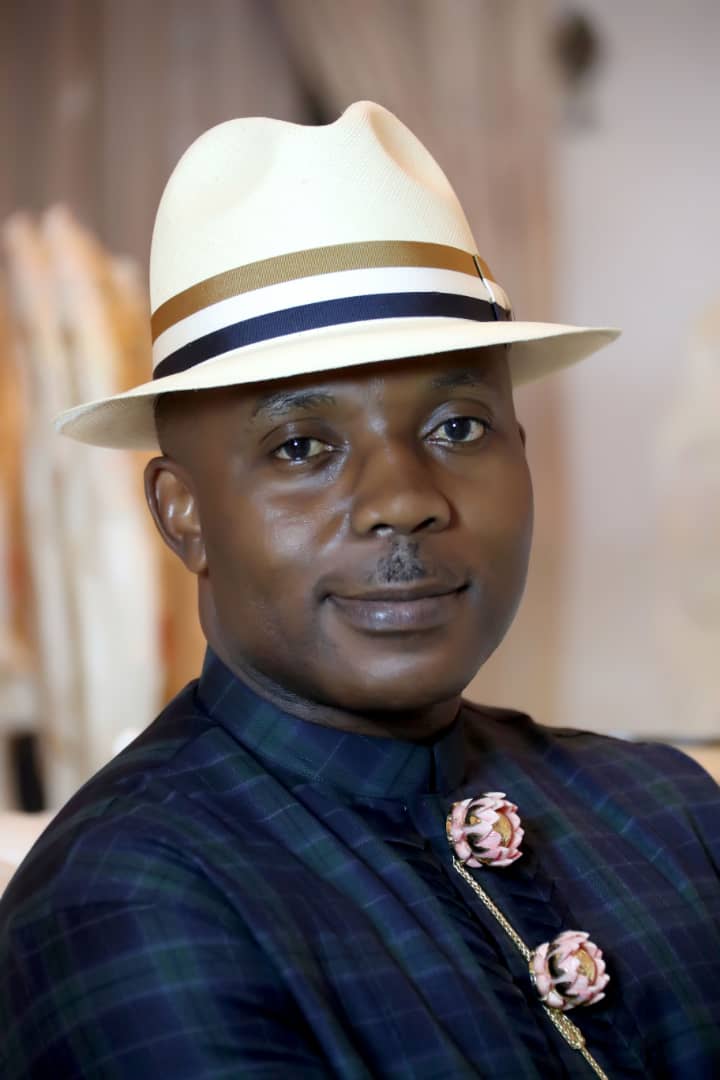
Nicholas Ebomo Mutu is yet another significant individual who has maintained an uninterrupted political career since 1999.
Representing Bomadi/Patani Federal Constituency of Delta State, Mutu has been one of the longest-serving members of the House of Representatives in the history of Nigerian democracy.
Before becoming a member of the House of Representatives, Mutu held the position of Chairman of Bomadi Local Government Council from 1996 to 1997.
Mutu gained substantial political clout after becoming a member of the National Assembly following the dawn of democracy in 1999.
Indeed, he has become particularly prominent in the world of Niger Delta politics, especially through his position as Chairman of the House Committee on the Niger Delta Development Commission (NDDC) from 2009 to 2019.
Some bills that Mutu has sponsored and co-sponsored include the Federal College of Education (Special), Patani Bill, Federal Polytechnic Akugbene Bill, NDDC Act Amendment Bill, and proposals for amending the constitution.
Unlike many other legislators who enjoy popular support among their constituents, Mutu has attracted considerable criticism due to his extended period in office.
Constituents Demand Change
Several constituents openly argue that his nearly three decades in parliament have not translated into enough visible development within Bomadi and Patani communities.
Human rights activist Israel Joe described the situation as deeply troubling.
“He has been there since 1999, and in my view, his performance is below average,” Joe said.
According to him, many capable youths in the constituency have been denied opportunities because of entrenched political structures.
Another constituent, Mayor Timi Ogobiri, accused the lawmaker of reducing politics to personal business rather than constituency development.
“He shares one tricycle among five people and organises symbolic medical outreach programmes,” Ogobiri alleged.
He insisted that other lawmakers in Delta State with fewer years in office had attracted more federal projects and development.
Africa Prezilagha Orutu also argued that the constituency had supported Mutu long enough and deserved leadership renewal.
“As constituents, we have tried for Nicholas Mutu, and we think it is time for him to bow out,” he stated.
Similarly, Amb. Tamsokunbiri Mmd from Akugbene Town lamented what he described as years of underperformance despite Mutu’s lengthy legislative career.
Dr Favour Akpodiete added that constituents naturally expected greater infrastructural and economic transformation after such a long period in office.
An APC chieftain in Delta State, Dr Eyiseifa Ebiowe, publicly urged Mutu to abandon plans to seek re-election in 2027.
Still, supporters of the lawmaker insist there is no constitutional restriction preventing repeated re-election.
Sources close to him argue that what matters most is quality representation and continued voter support.
Senator Ali Ndume — The Outspoken Voice from Borno
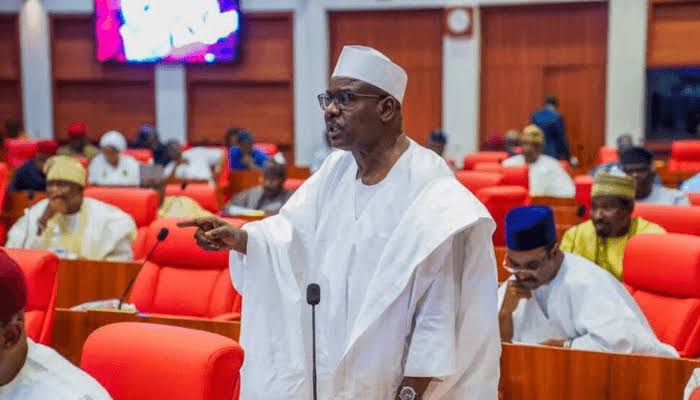
Another politician who has been relevant politically for over two decades is Senator Mohammed Ali Ndume.
Ndume first joined the legislature when he became a member of the House of Representatives representing Chibok/Damboa/Gwoza Federal Constituency of Borno State in 2003. In 2011, he was elected into the senate.
Since then, Ndume has been described as one of Nigeria’s most vocal politicians.
Famous for his sharp views on national security, economic issues, government policies, and corruption, Ndume has continued to be very relevant in the country.
In particular, during the Boko Haram crisis in Northern Nigeria, Ndume rose to prominence in advocating for more military presence, humanitarian aid, and reconstruction in the affected areas.
Though he has been at the center of some controversies within the Senate leading to his suspension on some occasions, Ndume still maintains strong followership in Borno State.
Supporters view Ndume as courageous and independent, while others see him as too much of a troublemaker.
Nonetheless, Ndume’s relevance indicates that he has a solid political structure.
Senator Enyinnaya Abaribe — The Opposition Powerhouse
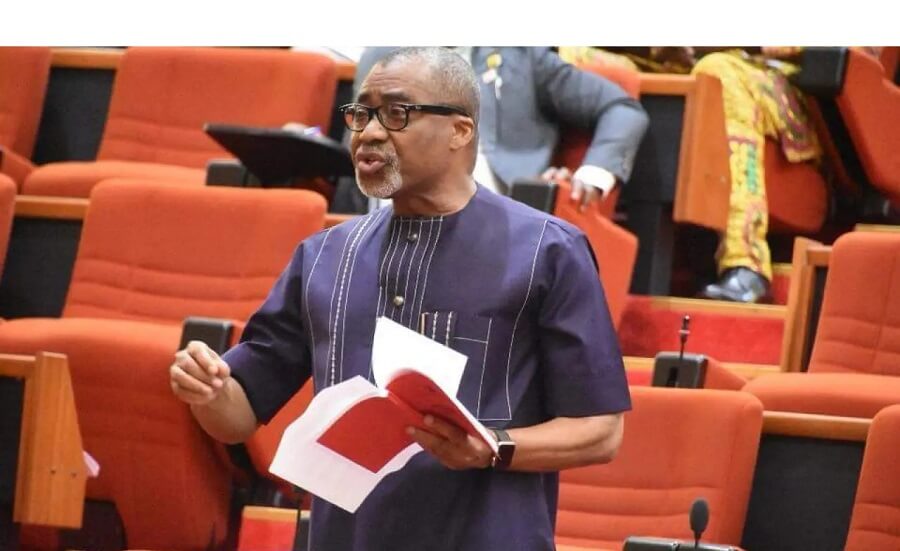
Enyinnaya Abaribe has been a popular figure among opposition politicians within Nigeria.
The senator representing Abia South Senatorial District since 2007, Abaribe has earned fame as a brave voice criticizing various administrations.
Before venturing into politics, he was Deputy Governor of Abia State.
Within the legislative chamber, he gained fame for bold speeches, controversial motions, and standpoints on issues such as democracy, federal restructuring, security, and constitutional rights.
He often engages in heated exchanges with members of the majority party during debates, and he enjoys respect for his eloquent style of communication.
Nigerians recall his criticisms during times of significant national troubles such as insecurity, poverty, and poor governance.
His supporters consider him one of the lawmakers who have dared to speak against political forces.
On the other hand, his critics feel that merely engaging in rhetoric without helping to develop his constituents makes his opposition useless.
Regardless of opinions, Abaribe is one of the most influential senators within Nigeria.
Senator Barau Jibrin — Kano’s Quiet Political Strategist
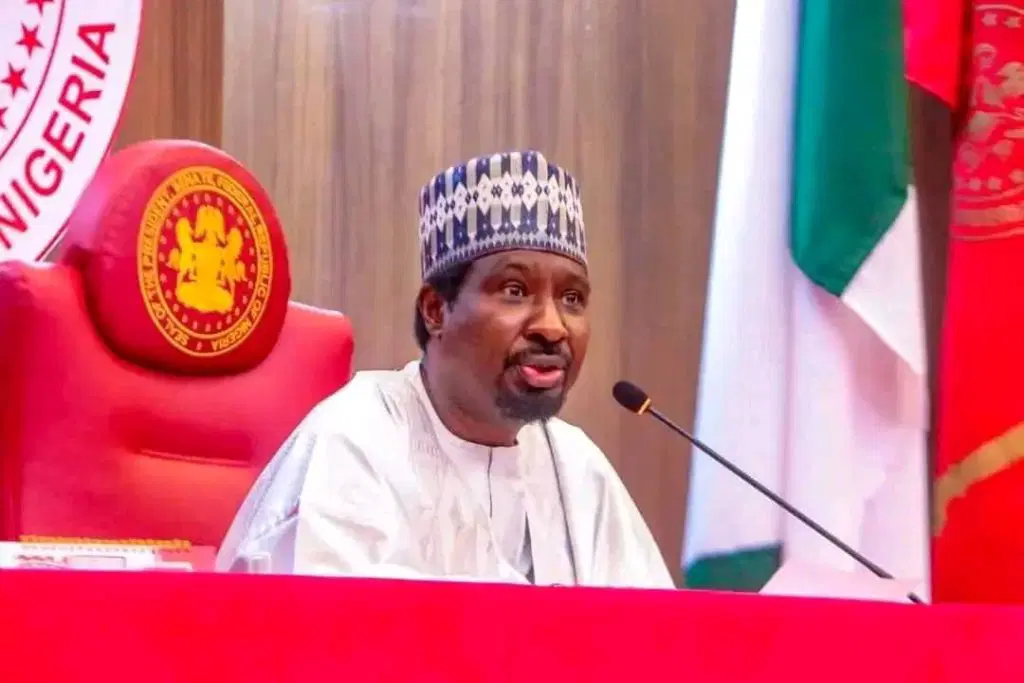
Senator Barau Jibrin has been quite successful in building one of the most successful legislative careers in northern Nigeria.
Barau first served as a member of the House of Representatives in 1999 before going on to become the Senator representing the Kano North Senatorial District in 2015.
The political clout of Barau Jibrin significantly rose following his appointment as the Deputy Senate President in the 10th National Assembly.
A skilled political networker with good grassroots mobilization capabilities in Kano State, Barau Jibrin is regarded as one of the most influential northern politicians in the APC Party.
While his supporters view him as a politician who is calm, calculating, and focused on development, critics feel that he has risen due to the centralization of power among experienced politicians.
Nonetheless, Barau Jibrin is one of the most prominent legislative personalities heading into 2027.
The Bigger Debate — Experience or Political Monopoly?
It must be pointed out that the persistent reign of long-serving legislators has stirred up debates on democracy and youth participation in politics in Nigeria.
Political scientist Ibrahim Tahir noted that there was no constitutional prohibition regarding long-time service in legislative bodies in Nigeria.
“Constitutionally, they can serve forever,” he stated. “But it would be fair to provide room for young men and women.”
In his view, the Nigerian political system nowadays tends to serve only those politicians who are rich enough to control the structure of the parties, manipulate delegates, and fund the elections.
“Our politics seems made in favor of the highest bidder,” he remarked.
Furthermore, Tahir has expressed dissatisfaction with the tendency toward consensus nominations in political parties as a means of stifling democratic processes.
Indeed, most people now think that the question goes far beyond any legal aspects.
One of the major impediments that young politicians face in Nigeria’s political scene in trying to enter the system is the prevalence of careerist politicians.
However, defenders of veteran politicians say experience counts in governance and legislation.
They say parliament gets value from its institutional memory and its experience in negotiating as well as seasoned legislators well versed in legislative processes.
With the 2027 elections looming, one would expect Nigerians to continue to discuss whether experience makes democracy stronger or weaker by monopolizing politics.
What will be sure is that people such as Ahmed Lawan, Nicholas Mutu, Ali Ndume, Enyinnaya Abaribe, and Barau Jibrin are already guaranteed spots in Nigerian democracy’s history books as some of the most durable politicians.

Hausa Political music Star Kosan Waka passes away at 47

Over 70 residents kidnapped as gunmen attack military base in Zamfara

Gunmen invade Catholic church in Enugu, abduct Seminarian, worshipper during mass

Wike: I’m a christian, not a pastor; politics isn’t church

Veteran Juju star Saint Janet dies

No casualties as fire breaks out at Lagos Airport terminal — FAAN

Atiku to Obasanjo: You’re bitter because I stopped your third-term agenda
Enugu: Army rescues abducted senior officer, civilian

Two Police officers die after alleged collision with military officer’s vehicle in Kaduna

Charles Okocha wins boxing rematch after Portable’s walkout

Gunmen invade Gateway Polytechnic in Ogun, abduct 5 students

APC behind Abia billboard levy, Kenneth Okonkwo claims

FG unveils plan to end power subsidies from 2027

Police bust fake govt number plate syndicate, recover stolen assets in FCT
Two Police officers die after alleged collision with military officer’s vehicle in Kaduna
Picking Atiku as my Vice President remains my biggest regret — Obasanjo
Charles Okocha wins boxing rematch after Portable’s walkout
No casualties as fire breaks out at Lagos Airport terminal — FAAN

INEC set to publish personal information of Presidential, National Assembly candidates