
Special Features
10 Things to know about Abu-Bilal al-Minuki, the Nigeria-Born ISIS Commander killed in joint US-Nigerian operation

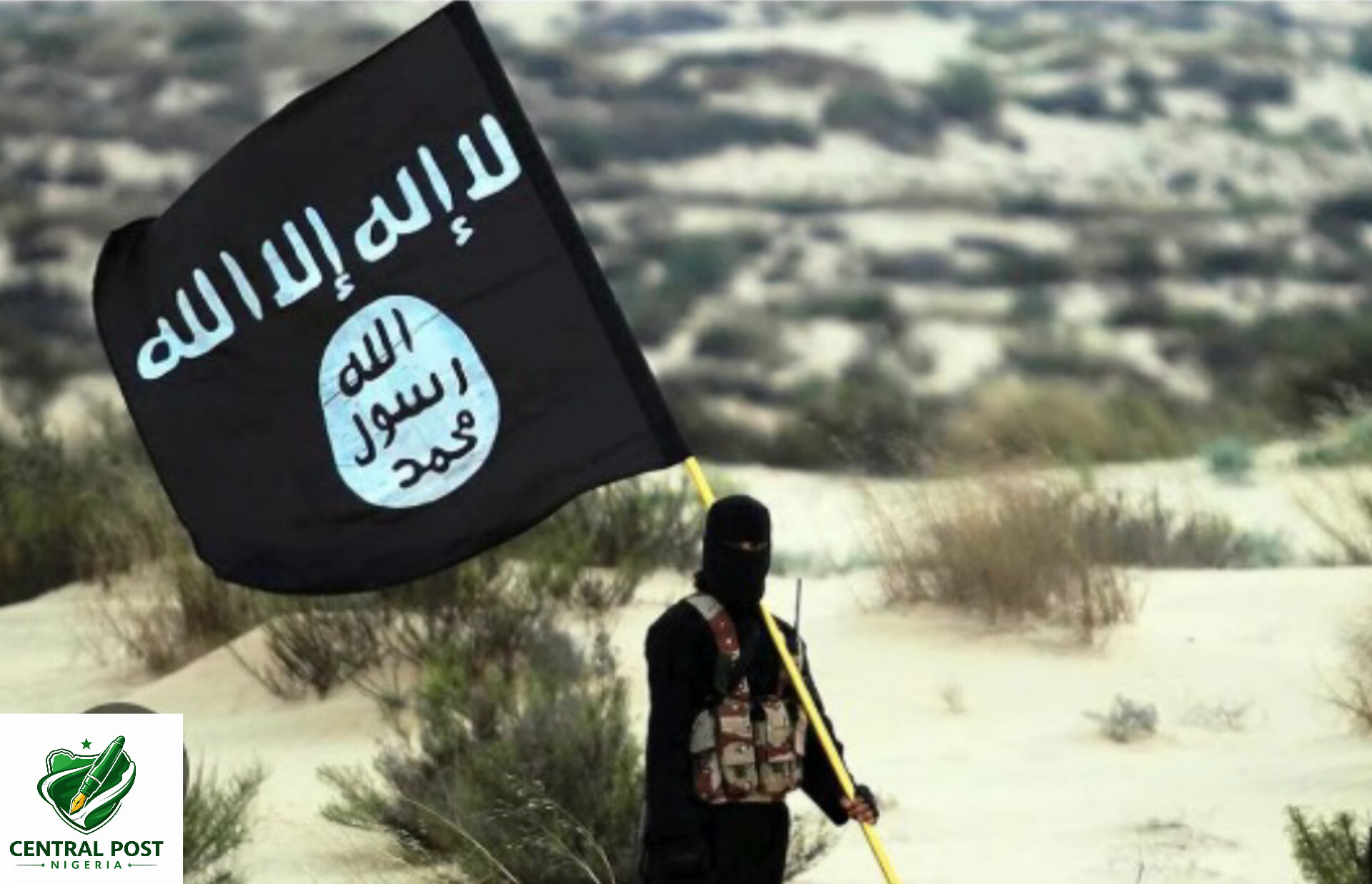
The news about the death of Abu-Bilal al-Minuki has received worldwide attention amid allegations made by U.S. President Donald Trump that the Nigerian ISIS commander was killed in a joint anti-terrorism raid between U.S. and Nigerian forces.
Al-Minuki was labeled by President Trump as the “most active terrorist in the world,” adding that the attack was conducted when intelligence services followed him to his secret location in Africa, specifically the Lake Chad area.
While little information is known about how the operation took place, military strategists say that it could mark a turning point in the battle against terror in West Africa.
Here are 10 facts to know about the ISIS commander who was killed:
1. Abu-Bilal al-Minuki Was Born in Borno State
As per the information provided by the United States Office of Foreign Assets Control (OFAC), Abu-Bilal al-Minuki is a native of 1982 in Mainok, which is close to Benisheikh in Borno State.
The Borno State has traditionally been considered the hotbed of insurgent operations in Nigeria, especially those associated with the groups like Boko Haram and the Islamic State West Africa Province (ISWAP).
Security experts consider his background relevant as the region has borne many high-profile extremist leaders.
2. His Real Name Was Different From His Popular Alias
While he is better known as Abu-Bilal al-Minuki, he was referred to in U.S. records as Abu Bakr ibn Muhammad ibn ‘Ali al-Mainuki.
As an alias, counterterrorism reports have listed “Abu Bilal al-Minuki.”
It is important to understand that many spelling variations can be seen among terrorists because of transliteration into English, and also to protect their identities.
Such confusion is common in media reports and intelligence documents.
3. He Was Officially Declared a Global Terrorist by the United States
On June 2023, the U.S. Department of State made it a point to designate al-Minuki as one of the Specially Designated Global Terrorists.
This meant that all financial transactions involving al-Minuki were banned by Americans. Furthermore, the designation froze all his financial resources within the territory of the United States.
Furthermore, he was recognized as a key individual responsible for ISIS-related activities in West Africa.
4. He Rose to Prominence Within ISWAP
It is claimed that al-Minuki became more powerful after the assassination of Mamman Nur, who was an extremist leader, in 2018.
He eventually came to play an integral role in recruiting new members for the organization, finance coordination, planning operations, and terrorist activities.
Al-Minuki also helped in establishing relationships between local extremists in Nigeria and the global terrorist outfit of ISIS.
This shows how the organization had become more sophisticated in terms of strategy and tactics.
5. Trump Described Him as One of ISIS’ Top Commanders
US President Donald Trump reportedly described al-Minuki as one of the most dangerous members of ISIS worldwide.
According to the US president, al-Minuki not only represented a serious threat to Africa but also to international security.
US President Donald Trump has stated that his death would seriously undermine the operations of ISIS, making it difficult for the organization to conduct extremist acts in West Africa.
While independent verification of some assertions is lacking, terrorism experts seem to concur that al-Minuki was viewed as a valuable target.
6. He Was Linked to ISIS Financial and Recruitment Networks
According to reports by international security experts and media organizations, al-Minuki was instrumental in providing funding for the activities of extremists in some parts of West Africa.
He reportedly helped coordinate the recruitment process, fund transfer processes, and communications among the region’s fighters and ISIS-related international networks.
It is thought that these tasks placed him among the most important operational members of ISWAP.
Interruption of financial and recruitment systems is generally seen as essential to dismantling extremist groups.
7. ISWAP Remains One of Africa’s Deadliest Terror Groups
Despite sustained military operations against the group, ISWAP is still operational in the Nigerian, Niger, Chadian, and Cameroonian regions.
This insurgent faction was born out of the schism within Boko Haram, which later joined ISIS.
There have been many ISWAP attacks aimed at civilians, security forces, military troops, and local populations in Lake Chad Basin.
Al-Minuki’s leadership role is indicative of the internationalization of insurgent factions in Africa.
8. His Death Highlights Nigeria’s Role in Global Counterterrorism
This latest operation by both Nigerian and U.S. authorities shows yet again how critical Nigeria is in the global war on terror.
For more than ten years now, the security forces in Nigeria have been combating the problem of insurgency and violent extremism in the north-eastern parts and other areas.
Lake Chad has continued to remain crucial because it provides cover to the terrorists due to its rough terrain and porous borders.
It is argued that Nigeria’s cooperation with its Western allies on issues of intelligence and counter-terrorism has gained immense importance.
9. The Killing Could Affect ISIS Operations in West Africa
Counterterrorism professionals argue that the death of a commander such as al-Minuki might temporarily affect the terrorist activities associated with ISIS in the area.
The role played by this commander in organizing, recruitment, coordinating intelligence, and funding would mean that his death could have an effect on their operations.
It is also acknowledged that extremist organizations often replace their commanders soon afterwards in order to ensure continuity.
This implies that his death will only have lasting effects if military pressure is constantly applied.
10. Many Details About the Operation Remain Unclear
Despite many reports of his death, several factors pertaining to the raid have still not been officially confirmed by Nigerian officials.
The precise location of the raid, the means by which he was tracked, and the extent of the military operation conducted are still unknown.
Although President Donald Trump mentioned that al-Minuki was hiding in some part of Africa before being traced down by intelligence officers, it is likely that more information will come out in the following weeks when governments give more insights into the counter-terrorism operation.
Why Abu-Bilal al-Minuki’s Story Matters
The emergence and demise of Abu-Bilal al-Minuki epitomize the growing sophistication of terrorism in Africa and the increasing linkages between local insurgents and global terrorist organizations.
The case also illustrates the sophistication attained by local insurgents operating within Nigeria and the Lake Chad area after years of engagement.
This is an important step for Nigeria in its anti-terrorism campaign.
While the demise of top insurgent leaders may result in temporary setbacks to the activities of terrorist organizations, experts believe that a sustainable solution would only be possible through advanced intelligence systems, inter-regional cooperation, economic growth, and community stabilization initiatives.

Lagos: Several rescued as multiple vehicles collide on Otedola Bridge

2023: Only 6 of 19 Northern governors supported Tinubu, says Shettima

Man remanded for allegedly killing friend with cutlass

Kano Anti-Graft Agency chairman steps down

Anambra govt releases records of alleged unpaid debts incurred under Peter Obi

Benue: Troops rescue seven kidnap victims from criminal hideout

Three vigilantes die in fresh attack in Plateau community

Workers shut Education Ministry entrance, demand Alaussa’s removal

First Lady Remi Tinubu gifts N20m to Qur’anic competition winner

Lagos Assembly approves 2026 Budget Reordering Bill

Desmond Elliot kneels before Gbajabiamila, seeks forgiveness

Resident doctors shut down LASUTH over unpaid allowances

Anambra govt: Soludo still repaying loans inherited from Obi, Obiano

FG directs immediate disbursement of funds to Regional Development Commissions

Bandits invade Sokoto community, abduct eight residents, steal livestock

2027 Budget: FG plans September submission to National Assembly

Spain: Ikpeazu presents credentials to King, Begins Ambassadorial Assignment

Anambra: Kidnappers abandon victim, escape at Police checkpoint

Shettima arrives Nigeria after attending BRICS Summit in India
