
National News
Subsidy removal and tough reforms rescued Nigeria’s economy — Tinubu

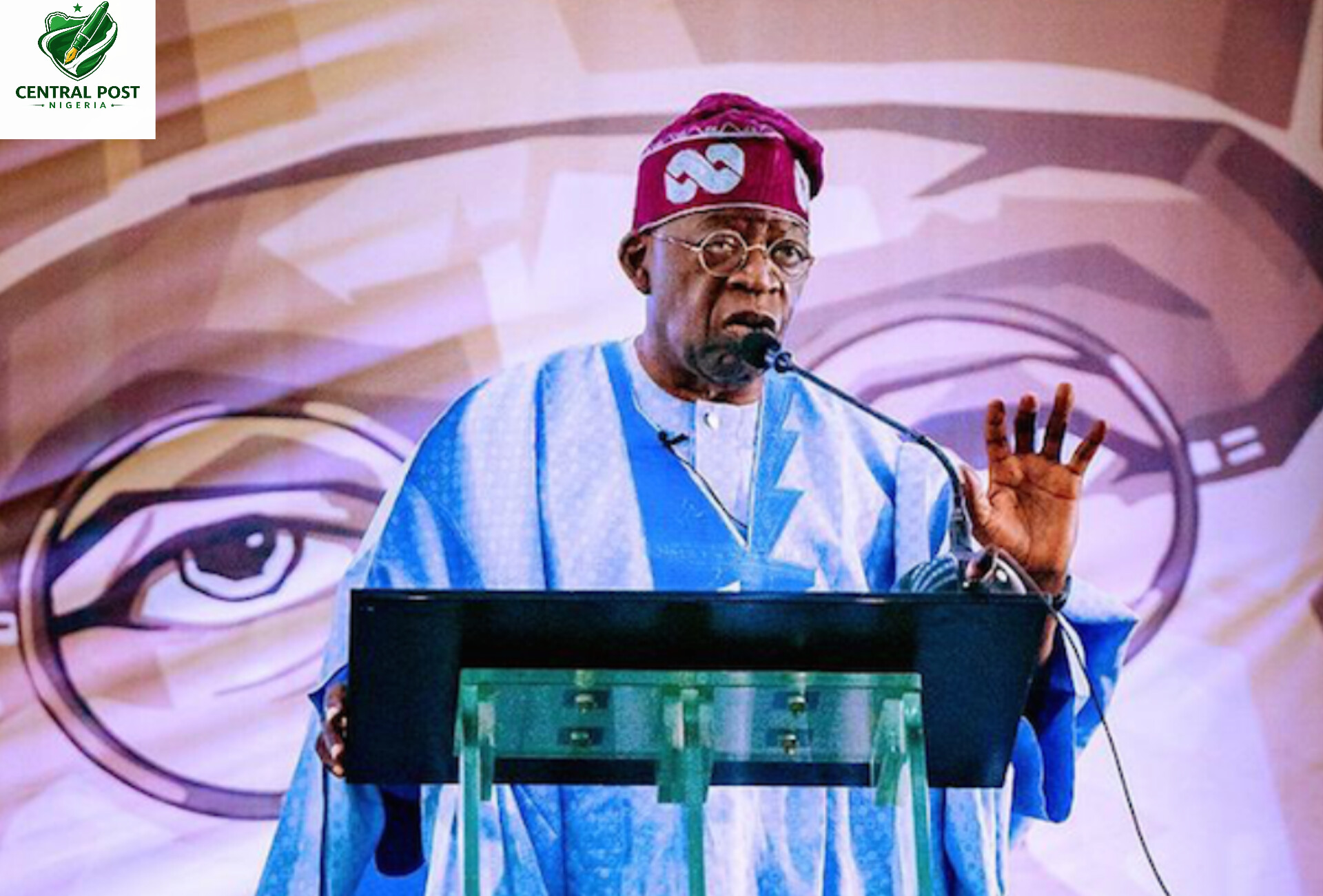
President Bola Ahmed Tinubu has been robust in defending the decision to remove fuel subsidy and unify the foreign exchange market regime early into his presidency in 2023, stating that both were tough but essential steps that had to be taken to stabilize Nigeria’s economy.
Addressing media representatives during an interview session on the second day of the Africa CEO Forum in Kigali, Rwanda, President Tinubu likened the pains from these policy changes to the pains associated with childbirth, assuring that the current difficulties would bear fruit in the future.
“It is difficult, it is painful, but it is just like the human reproduction process. A woman carries a pregnancy, enjoys the pain of labour, and has a very big smile when she sees a live child,” the President said.
Tinubu argued that continuing the old subsidy regime would have placed the future of coming generations at risk.
“It is a fake life to think you can continue the subsidy that is wasteful. It encourages falsification of papers and smuggling, and that became a serious problem for the country,” he stated.
The President recalled that before the reforms, many states across the federation struggled to meet basic obligations, including the payment of workers’ salaries.
“Out of the 36 states, 27 were unable to pay salaries. We are an oil-producing country, yet there were no functional refineries. It was impossible to continue with that trend,” he said.
Tinubu also hinted at his plans should he secure a second term in office in 2027, stating that the first two years would be devoted to “more work” and deeper reforms.
“More challenges are there. The world will not wait for anybody. You have to continue to reset and rethink,” he added.
According to the President, leadership requires courage and the willingness to take difficult decisions at the right time.
“The hallmark of a transformative leader is the ability to take decisions on behalf of the people when they need to be taken,” he said.
On taxation, Tinubu maintained that citizens demanding better infrastructure and social services must also be prepared to contribute through taxes.
“Nobody wants to pay taxes ordinarily, but everybody wants development. The question is: how do you pay for it?” he asked.
The President stressed that taxation remains a civic responsibility necessary for sustainable development and social protection.
“A citizen that pays taxes is a citizen, whether corporate or individual,” he declared.
Highlighting what he described as the early impact of the reforms, Tinubu said Nigeria’s economy had become more stable and predictable for businesses and investors.
“Today there is a bright light ahead. The economy is stable, the naira is stable and predictable, and people can now plan their lives better,” he said.
He disclosed that the government was implementing direct cash transfers to vulnerable Nigerians while supporting indigent students through grants and allowances.
Tinubu also defended the administration’s support for local industries, citing the Dangote Refinery and BUA Group as examples of indigenous companies deserving government backing.
According to him, the decision to allow crude oil sales to the Dangote Refinery in naira was aimed at easing operational bottlenecks and reducing pressure on foreign exchange.
The President further justified the Lagos-Calabar Coastal Highway project, describing it as part of a broader economic integration strategy expected to unlock tourism, trade and investment opportunities across Nigeria’s coastline.
On national unity, Tinubu urged Nigerians to embrace diversity as a strength rather than a source of division.
“This country belongs to all of us. We must build it together,” he said.
He also stressed the need for stronger regional cooperation in addressing security and economic challenges across West Africa.
“In ECOWAS, Nigeria remains the big brother. We must continue to provide leadership for the region and the continent,” the President stated.






Troops rescue five kidnap victims in Kogi as terrorists flee

FG launches FreeTV, offering Nigerians free access to television channels

Bernardo Silva joins Real Madrid on a two-year deal

Mbappe fires France past Senegal in World Cup opener

Real reason I stopped going to church – Nicki Minaj

‘I’m prepared to pay any price, Oyo won’t become another Chibok under my watch’ – Makinde speaks on rescue of abducted schoolchildren

Peter Obi: I’ll engage Gumi, Igboho, others through dialogue if elected president

Former Man United boss Ruben Amorim named AC Milan head coach

Tinubu will earn Nigerians’ trust again in 2027 – Matawalle

Relief for Atiku as Appeal Court stops deregistration of ADC, 4 other political parties
Peter Obi: I’ll engage Gumi, Igboho, others through dialogue if elected president

11 feared dead as boat returning from burial capsizes in River Benue

‘How our father’s corpse was released remains a mystery’ — Gen. Abubakar’s son

‘Akpabio has personal interest in NNPC, his daughter got juicy position through Kyari’ – Oshiomhole

Widow of Late Gen. Rabe freed after weeks in bandits’ captivity
Relief for Atiku as Appeal Court stops deregistration of ADC, 4 other political parties

2027: Kwankwaso’s son emerges NDC Deputy Governorship candidate in Kano

Gunmen storm NIPSS in Plateau, murder 3 security guards

Five dead as Cholera outbreak hits Plateau communities
