
World
US suspends HIV funding to South Africa over concerns about white minority treatment

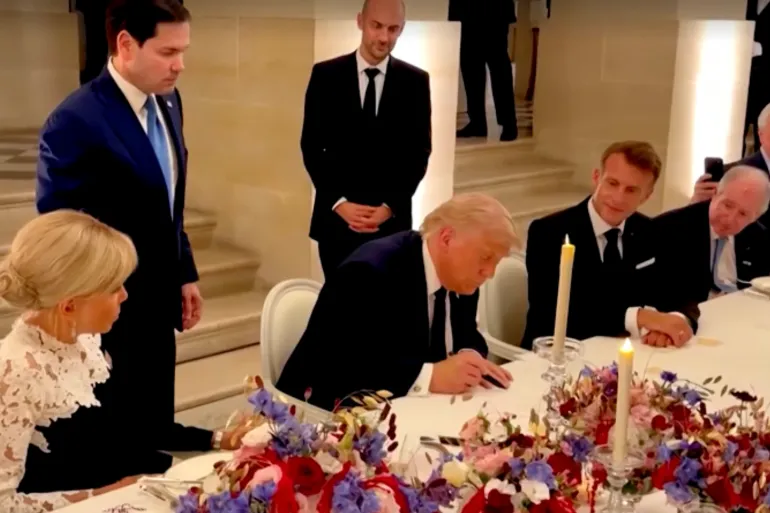
President Donald Trump‘s administration in the United States has declared that it will be ending the President’s Emergency Plan for AIDS Relief (PEPFAR) in South Africa, on account of the problems of violence, discrimination and displacement of whites in South Africa.
According to reports, the State Department of the US listed several reasons for why the South African government failed to address its concerns prior to the decision to end PEPFAR.
The concerns included the Black Economic Empowerment policy of South Africa which, according to the US officials, does not give enough exemption to American businesses in South Africa. The US State Department also criticized the inability of the South African government to denounce the racial slurs such as the “Kill the Boer” slogan.
The State Department also expressed its concern regarding the Expropriation Act 2024 of South Africa.
It was also requested that Pretoria treats crime in rural areas as a priority and allocate sufficient resources to counter-attack violence perpetrated in farms. Moreover, there were serious worries about South Africa’s approach to dealing with the refugee situation.
“South Africa is a middle-income nation that is more than capable of providing for its health programs,” said a State Department official.
According to Trump, the government in South Africa does not provide adequate protection for the country’s white farmers and the country’s white population.
In his meeting with the South African president, Cyril Ramaphosa, in May 2025 at the White House, Trump allegedly showed videos of opposition parties shouting anti-white farmers slogans of death to Boers, a word normally used to describe white farmers. Trump also showed newspapers and reports documenting the violent acts against white South Africans, adding that the issue had not been given enough international attention.
Withdrawing funding from PEPFAR program shows a major shift in relations between the two countries and may have repercussions on some health programs. However, critics argue that this may affect the poor who depend on those programs in their struggle against disease.

World Cup: Egypt eliminate Australia 4-2 on penalties, reach Last 16

INEC extends continuous voter registration deadline, launches online self-registration

Bandits launch deadly raid, kill traditional leader, son in Sokoto
Victims flee captivity after kidnappers fall asleep in Edo

Federal Government announces ₦39.63bn pension arrears payment

Court orders final forfeiture of ₦150m linked to Delta Lawmaker

Family finds missing son in Rivers prison after 18 years, says his name was changed

Napoli appoint Massimiliano Allegri as new manager following Conte’s exit

Gunmen ambush ex-Benue SSG Prof. David Salifu, dies from sustained injuries

World Cup: Ronaldo, Ramos seal Portugal’s Last-16 qualification against Croatia

Gbajabiamila cleared as Presidency rejects ₦400m bribery allegation, labels it scam

Jigawa sets ₦7.5m initial Hajj fare deposit for 2027 pilgrims

FRSC Recruitment 2026 Opens: How SSCE holders, graduates, artisans can apply

2026 FIFA World Cup: Five African Nations eliminated so far as continental dream faces fresh setback

Coup: 5 face trial over alleged plot to hide ex-gov Sylva

Naira appreciates further, trades at ₦1,385 per dollar in parallel market

‘Explain the ₦1.3bn budget for fake agency to Nigerians’ — Atiku slams Tinubu

Unknown gunmen kidnap Pastor, two church members in Benue

Major Police shake-up as PSC elevates 93 officers
