
World
Trump, Pezeshkian sign historic peace pact as US-Iran tensions ease

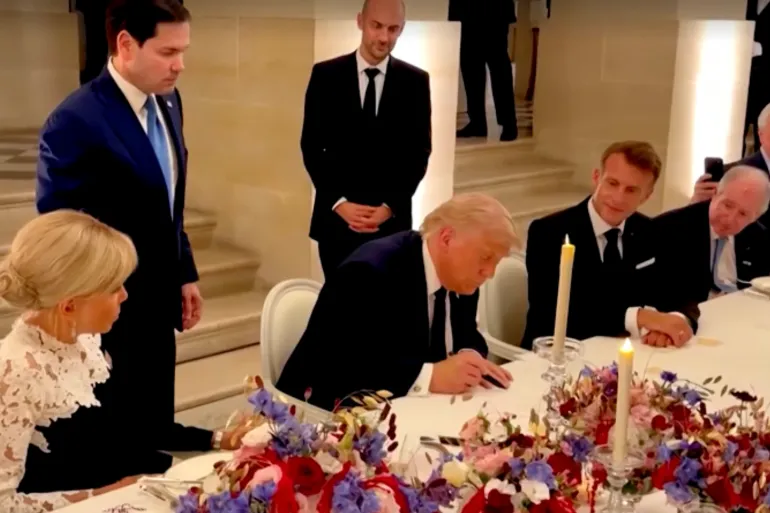
The United States and Iran have signed an electronic memorandum of understanding regarding an extension of their ceasefire agreement and laying out steps for the re-opening of the Strait of Hormuz, one of the most significant sea routes in the world.
It has been announced that the memorandum has come into force, with a spokesperson of the Ministry of Foreign Affairs of Iran Esmaeil Baghaei declaring it a starting point for monitoring of its implementation.
Both the United States and Iran agree that this agreement, reportedly signed at Versailles by US President Donald Trump, extends the ceasefire agreement for 60 days and paves the way for negotiations about the nuclear program of Iran and lifting some sanctions.
According to the terms of the agreement, Iran is supposed to gradually re-open the Strait of Hormuz, while the United States is expected to begin lifting sanctions against the ports of Iran and certain other sanctions.
In contrast to the US, Iran has made it clear that its missile programme will remain untouchable as it will not be negotiating about its defensive capacities. Tehran has also threatened that it will keep watch over the US’ adherence to the agreement “without any leniency,” indicating the deep mistrust despite the breakthrough in diplomatic relations.
Although the White House has confirmed the signing of the document, experts point out that this deal is not a permanent peace agreement but a temporary framework aimed at reducing tensions and opening up opportunities for negotiations.
The development has already raised political controversy in the US, as some argue that the deal can be seen as too generous by Iran. However, the Trump administration believes that the memorandum is an important step towards preventing the nuclear arms race, not a concession.
At the same time, Iran considers the agreement as an indicator of the US’ inability to accomplish its goals, even while getting ready to negotiate sanctions and nuclear controls.
With the Strait of Hormuz being crucial for international energy supplies, the results of the next 60 days of implementation can have significant implications.


World Cup: Egypt eliminate Australia 4-2 on penalties, reach Last 16

INEC extends continuous voter registration deadline, launches online self-registration

Bandits launch deadly raid, kill traditional leader, son in Sokoto

Victims flee captivity after kidnappers fall asleep in Edo

Federal Government announces ₦39.63bn pension arrears payment

Court orders final forfeiture of ₦150m linked to Delta Lawmaker

Family finds missing son in Rivers prison after 18 years, says his name was changed

Napoli appoint Massimiliano Allegri as new manager following Conte’s exit

Gunmen ambush ex-Benue SSG Prof. David Salifu, dies from sustained injuries

World Cup: Ronaldo, Ramos seal Portugal’s Last-16 qualification against Croatia

Gbajabiamila cleared as Presidency rejects ₦400m bribery allegation, labels it scam

Jigawa sets ₦7.5m initial Hajj fare deposit for 2027 pilgrims

FRSC Recruitment 2026 Opens: How SSCE holders, graduates, artisans can apply

2026 FIFA World Cup: Five African Nations eliminated so far as continental dream faces fresh setback

Coup: 5 face trial over alleged plot to hide ex-gov Sylva

‘Explain the ₦1.3bn budget for fake agency to Nigerians’ — Atiku slams Tinubu

Unknown gunmen kidnap Pastor, two church members in Benue

Major Police shake-up as PSC elevates 93 officers

Naira appreciates further, trades at ₦1,385 per dollar in parallel market
