
World
Strait of Hormuz: Tension as Iran withdraws from proposed talks after US seizes Cargo Vessel

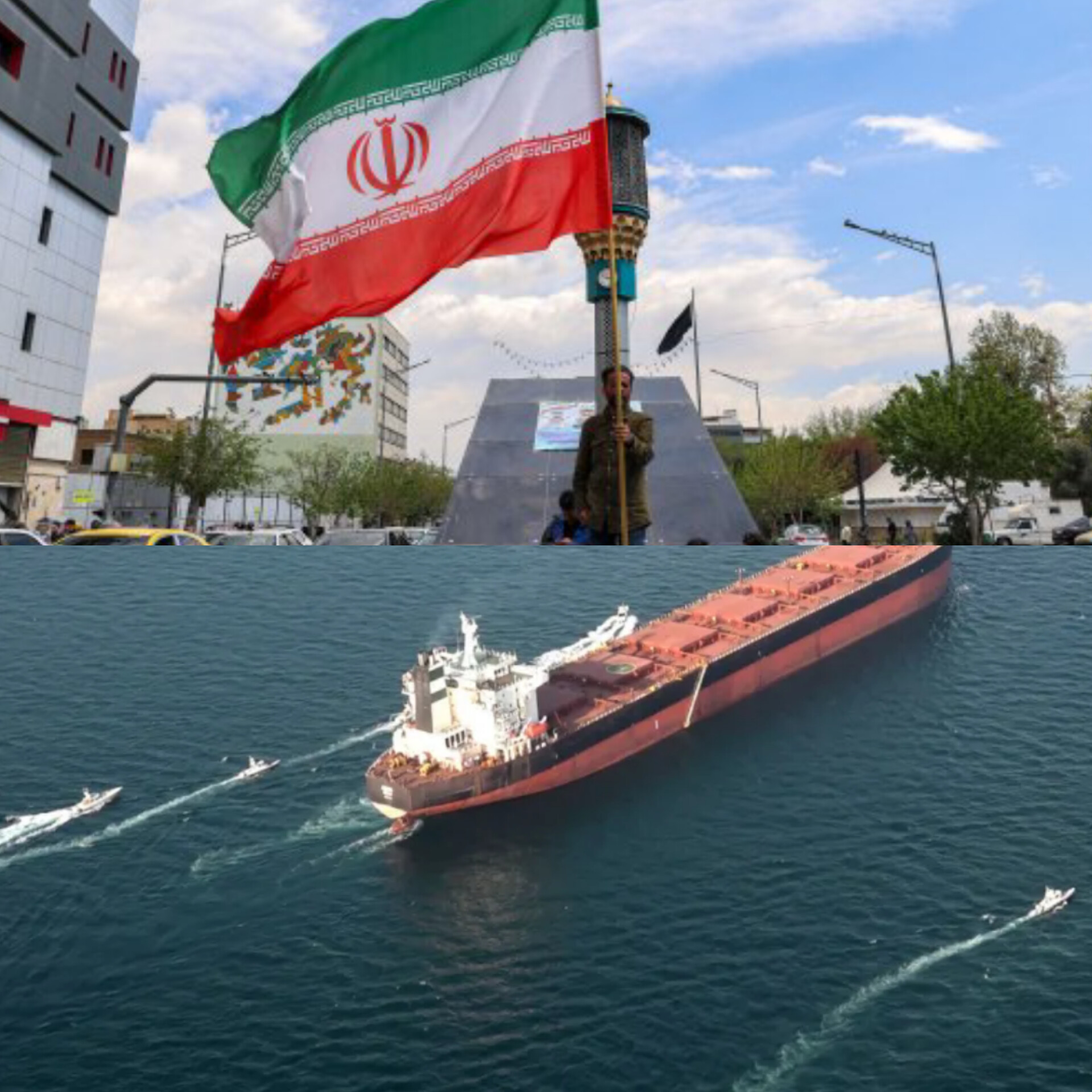
A new phase in the conflict between Iran and the US has been triggered when Iran refused to participate in any new diplomatic discussions that are supposed to be initiated in Pakistan.
This comes on the heels of the recent capture of an Iranian ship in the Gulf of Hormuz by the US government.
It is reported that an Iranian spokesman in the foreign ministry stated that this was an “unprovoked maritime provocation” and that Iran would not participate in the negotiations at this point in time.
This follows the announcement by US President Donald Trump that his government is prepared to send a delegation to Pakistan for discussions with Iran, which were meant to bring an end to months of tension between the two countries.
However, those prospects now appear uncertain as Pakistan simultaneously moved to tighten security in its capital, with authorities reportedly locking down key districts in Islamabad and deploying about 20,000 security personnel in anticipation of possible high-level diplomatic activity.
The diplomatic tension escalated after US forces reportedly intercepted and seized an Iranian cargo vessel, identified as the Touska, near the strategic Strait of Hormuz following a confrontation at sea. The strait remains one of the world’s most critical maritime checkpoint for global oil shipments.
According to statements posted by President Trump on his Truth Social platform, US Marines have taken control of the vessel, which he claimed attempted to breach what he described as a US blockade of Iranian ports.
“The Iranian crew refused to listen, so our Navy ship stopped them right in their tracks by blowing a hole in the engineroom,” Trump wrote.
He further alleged that the vessel had been subject to US Treasury sanctions due to what he called “prior history of illegal activity,” adding that American forces were currently inspecting its cargo.
The seizure has drawn swift condemnation from Iranian officials, who warned that the incident could further disrupt global shipping routes already facing delays in the Strait of Hormuz. Iranian authorities also cautioned that hundreds of vessels were currently stranded at both ends of the passage, awaiting clearance amid heightened tensions.
Iran’s Vice President Mohammad Reza Aref said Tehran would continue to assert its economic and strategic rights in the waterway, warning that security in the Strait of Hormuz comes with responsibilities and costs.
He also stressed that Iran should not be deprived of its oil export capabilities while being expected to ensure maritime stability for other nations.
The latest confrontation adds another layer of uncertainty to already fragile US-Iran relations, with diplomatic channels appearing increasingly strained.
Iran’s decision to boycott the proposed talks in Pakistan signals a setback for international efforts to de-escalate tensions, raising concerns over the potential for further escalation in the Gulf region.


Bernardo Silva joins Real Madrid on a two-year deal

Mbappe fires France past Senegal in World Cup opener

Real reason I stopped going to church – Nicki Minaj

‘I’m prepared to pay any price, Oyo won’t become another Chibok under my watch’ – Makinde speaks on rescue of abducted schoolchildren

Peter Obi: I’ll engage Gumi, Igboho, others through dialogue if elected president

Former Man United boss Ruben Amorim named AC Milan head coach

Tinubu will earn Nigerians’ trust again in 2027 – Matawalle

Relief for Atiku as Appeal Court stops deregistration of ADC, 4 other political parties

Gunmen storm NIPSS in Plateau, murder 3 security guards

FIFA World Cup: Belgium rescue draw as Egypt’s historic win slips away
Peter Obi: I’ll engage Gumi, Igboho, others through dialogue if elected president

Armed men kidnap Ondo traditional ruler, open fire on wife

Military bombards terrorist strongholds, eliminates 27 insurgents in Borno

11 feared dead as boat returning from burial capsizes in River Benue

‘How our father’s corpse was released remains a mystery’ — Gen. Abubakar’s son

‘Akpabio has personal interest in NNPC, his daughter got juicy position through Kyari’ – Oshiomhole

Widow of Late Gen. Rabe freed after weeks in bandits’ captivity
Relief for Atiku as Appeal Court stops deregistration of ADC, 4 other political parties

2027: Kwankwaso’s son emerges NDC Deputy Governorship candidate in Kano