Special Features
Here is all you need to know about the Iran war

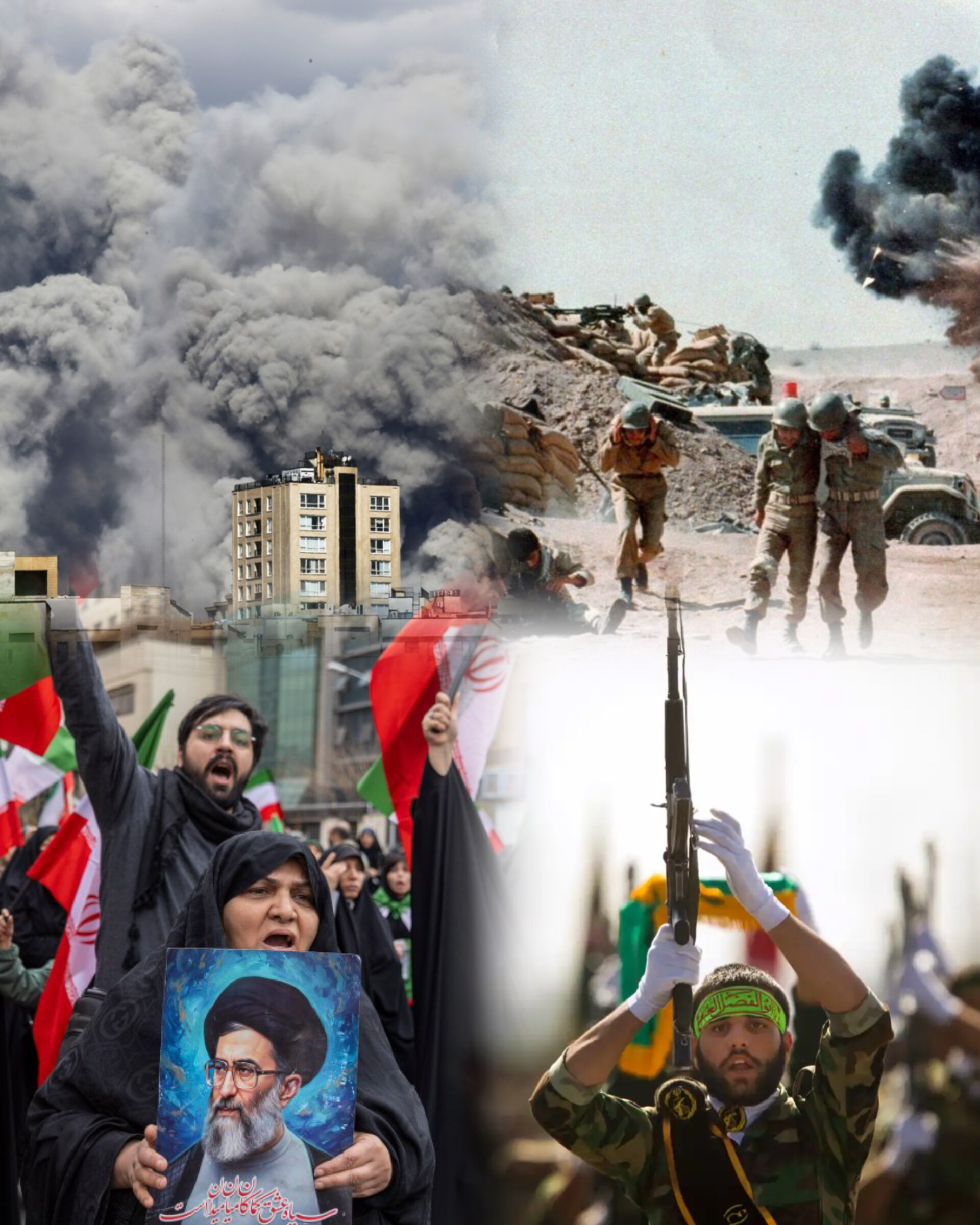
The Overview of the Iran War
The war against Iran commenced on February 28, 2026, after the US and Israel carried out an unanticipated and synchronized military operation against the nuclear infrastructure, military leadership, and missile capability of Iran with the aim of weakening Iran’s nuclear program and restricting their capacity to engage in regional military actions. The initial phases of the war included attacks against important nuclear infrastructure, defense and missiles launch sites in Iran.
Iran did not fail to retaliate against US and Israeli interests and facilities by launching missiles and drone attacks against them and other targets in the region. The conflict grew rapidly from one that started off with just Iran against the US and Israel into a conflict that could affect regional and international relations. It soon grew into a crisis in the region and affected global oil prices, shipping through the Persian Gulf, as well as diplomatic initiatives globally.
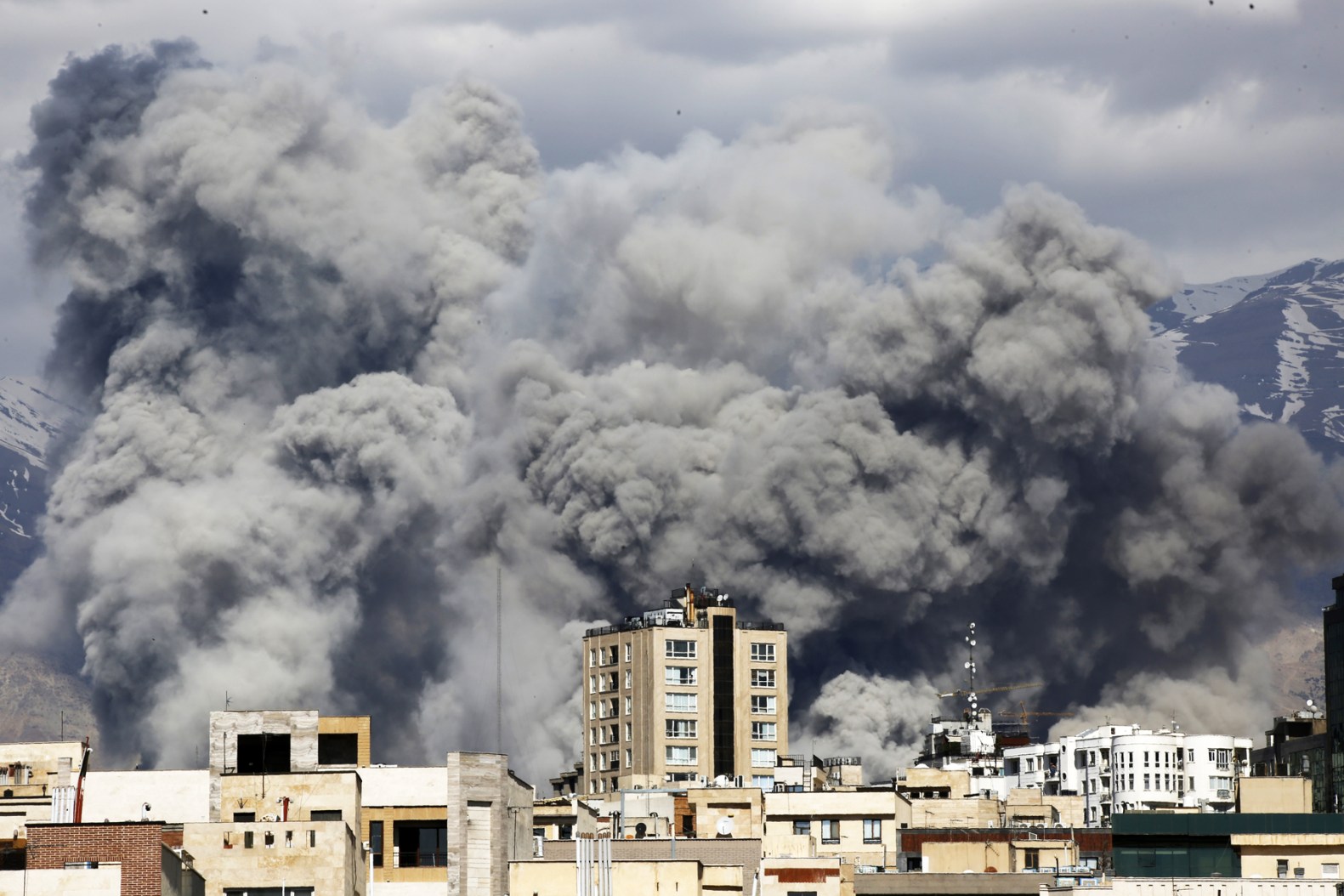
Smokey environment due to the aftermath of bombing
During the entire 40 days of the conflict, both sides carried out sustained bombings, cyber activities, and intelligence-driven targeted attacks. These attacks resulted in infrastructure destruction, loss of lives, equipment, and property on both sides. Amongst other developments, the death of the Iranian Supreme Leader became a very crucial event that brought political unrest to Iran as well as calls for ceasefires.
In response to increasing global pressure, both Iran and the United States faced greater diplomacy activities initiated by leading countries and international bodies calling on both sides to stop the violence. After several weeks of secret negotiations, the ceasefire came into force on April 8, 2026.
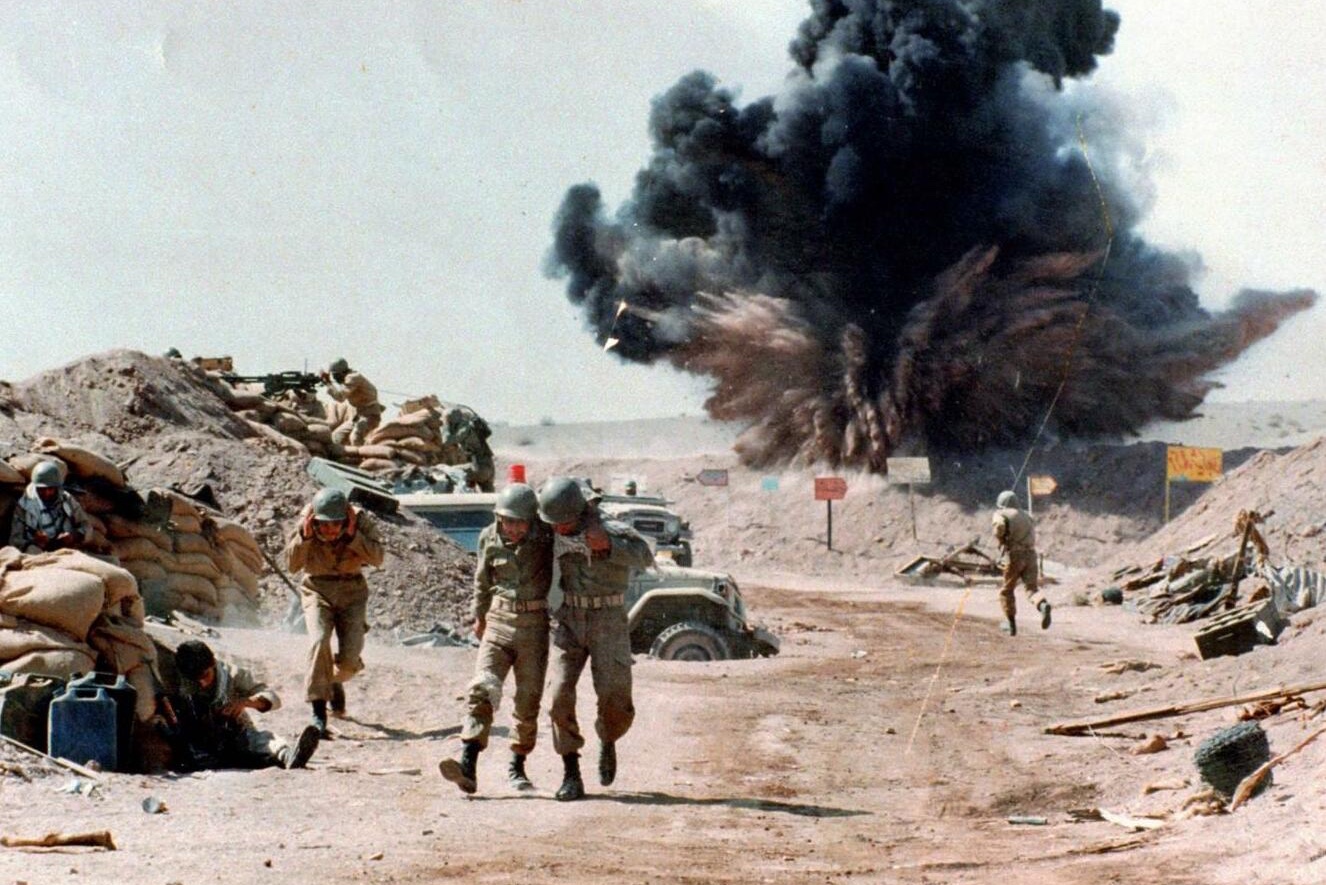
Iran soldiers wounded during
While the active conflict came to an end following the signing of the ceasefire agreement, its aftermath remained. In particular, it is characterized by regional instability, financial problems, humanitarian concerns, and political uncertainty concerning Iran’s leadership and ambitions. It can be concluded that the Iran War of 2026 remains one of the most crucial conflicts in the Middle East since then.
Main Issues of the Iran War in 2026
Timeline of the Conflict:
This war lasted for approximately 40 days, starting from February 28, 2026, and lasting until the agreement on the ceasefire on April 8, 2026. After that, there was a period of relative peace of about two weeks despite the overall escalation in the region.
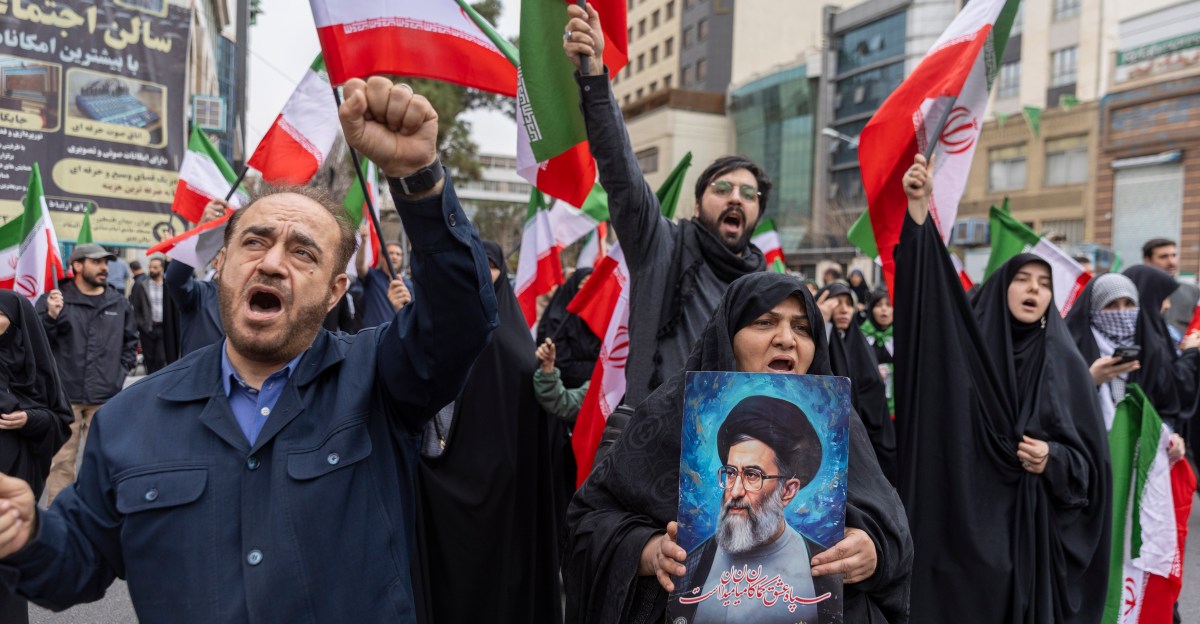
Woman and children protesting the killing Iran supreme leader, Ali Khamenei
Combatant Parties:
There were two main opponents of the conflict – the United States and Israel on one hand, and Iran on the other hand. Moreover, Iran used various countries of its “Axis of Resistance,” such as Hezbollah in Lebanon, Shia militias in Iraq, and Houthis in Yemen, thus making the war wider.
Events of the Conflict and Casualties:
At the very beginning of the conflict, Iran’s Supreme Leader, Ali Khamenei, died as a result of strikes by America and Israel, leaving Iran without a clear political leader. Soon after that, on March 8, his son, Mojtaba Khamenei, became Iran’s new leader. During the first weeks of the war, the number of casualties in Iran exceeded 1,300 people, while the fighting caused many deaths and displacement in Lebanon.
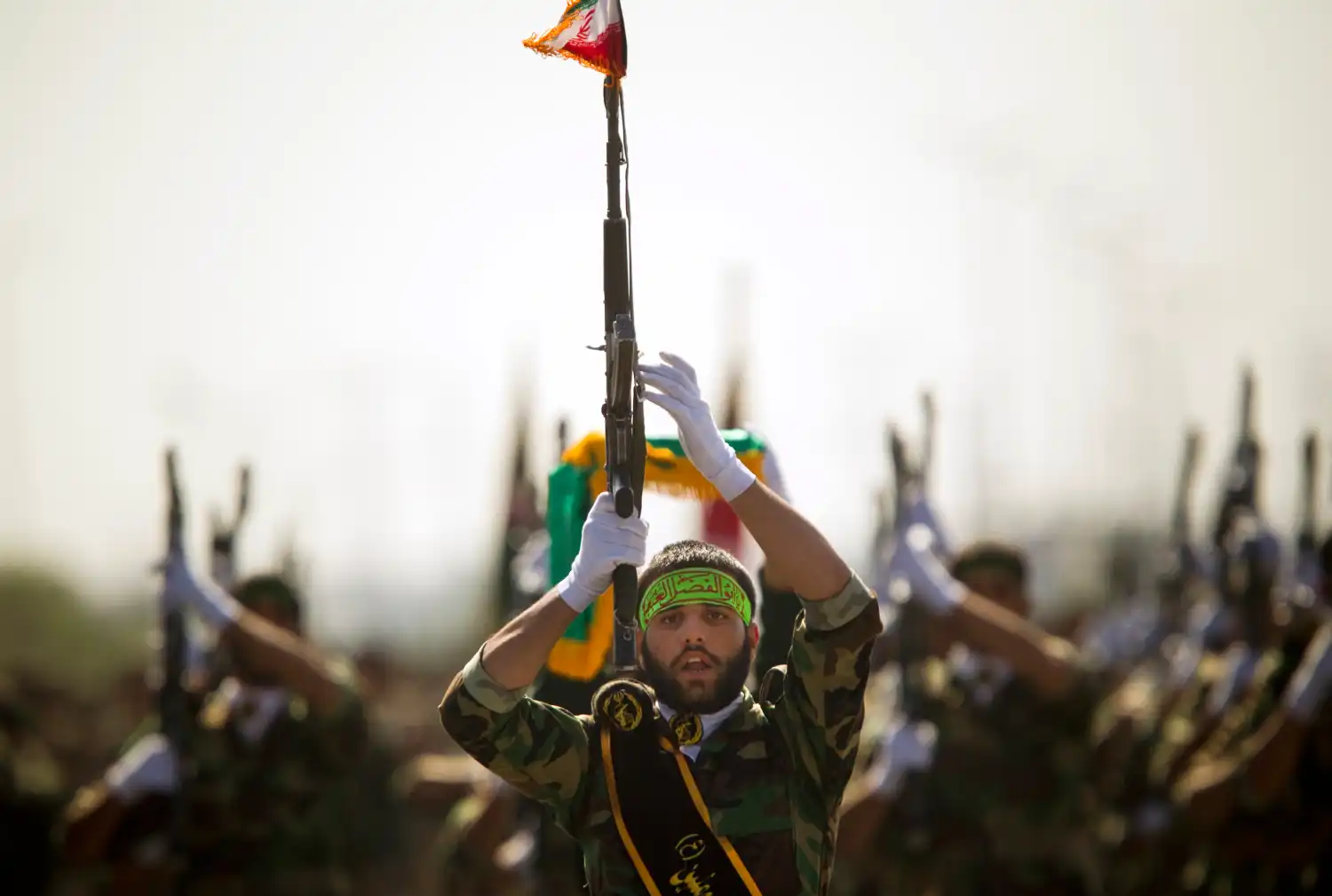
Iran soldiers ready for battle
Impact on Region & World:
Disruptions in shipping through the Strait of Hormuz occurred during the conflict, putting 20% of the world’s total oil shipping capacity under threat. Iran conducted missile strikes against Israel, the U.S., and several other Gulf Arab nations, creating fears of a possible wider conflict in the region.
Financial Burden:
Costs associated with the conflict soared within a matter of days, with the United States, Israel, and their allies estimated to have spent more than $26 billion on military operations, defensive weapons, and emergency deployments within just 16 days.
Strategic Motivations:
The United States and Israel said that their motivations in the conflict were to stop Iran from achieving nuclear capabilities and to limit the military capability of the state. Others have pointed out that the two sides might have had more ambitious objectives, such as pushing for political changes in Iran. For Iran, the motivation was survival and retaliation along with resistance.
International Implications:
Several legal and political issues arose with regards to the conflict. One major organization that questioned the military operation by highlighting its lack of congressional approval was the American Friends Service Committee.
Frequently Asked Question
1. When did the 2026 Iran war begin?
The 2026 Iran war began on February 28, 2026, when the United States and Israel launched a coordinated military operation targeting Iran’s nuclear facilities, missile bases, and senior leadership. The operation was widely referred to as Operation Epic Fury.
2. What triggered the conflict?
The conflict was triggered by rising tensions over Iran’s nuclear program, ballistic missile capabilities, and regional influence. Diplomatic efforts to renegotiate a nuclear deal had failed, leading the United States and Israel to pursue military action.
3. What happened during the initial attack?
During the opening wave, nearly 900 strikes were launched within hours, targeting Iranian military infrastructure and leadership. Iran’s Supreme Leader Ali Khamenei was killed during these strikes, creating political uncertainty in Iran.
4. Who became Iran’s leader after the attack?
Following the death of Ali Khamenei, Mojtaba Khamenei, his son, was named as his successor after an interim leadership structure was briefly formed.
5. How did Iran respond?
Iran responded with missile and drone attacks targeting:
- U.S. military bases
- Israeli targets
- Gulf Arab states
- Shipping routes and oil infrastructure
These retaliatory attacks widened the conflict across the Middle East.
6. Which countries or groups were involved?
Main participants included:
- United States
- Israel
- Iran
Iran also relied on allied groups known as the Axis of Resistance, including:
- Hezbollah (Lebanon)
- Shia militias in Iraq
- Houthi forces in Yemen
7. How long did the war last?
The war lasted approximately 40 days, from February 28 to April 8, 2026, when a ceasefire agreement was reached.
8. What was the impact on global oil and trade?
The conflict severely disrupted the Strait of Hormuz, a major shipping route that handles about 20% of global oil shipments. Several ships were damaged, and maritime traffic slowed significantly, causing global economic concern.
9. How many casualties were reported?
Thousands of casualties were reported across the region, including military personnel and civilians. Infrastructure damage and displacement also occurred, particularly in Iran and Lebanon.
10. What were the main goals of each side?
United States and Israel Goals:
- Prevent Iran from developing nuclear weapons
- Destroy missile and military infrastructure
- Weaken Iran’s leadership and regional influence
Iran’s Goals:
- Survive the conflict
- Maintain military capability
- Respond through regional allies and strategic retaliation
11. What was the global reaction?
The war caused:
- Flight disruptions across the Middle East
- Oil price instability
- Diplomatic tensions worldwide
- Urgent calls for peace from international organizations
12. When did the ceasefire happen?
A ceasefire agreement went into effect on April 8, 2026, ending the main phase of the conflict, although tensions in the region remained high.
13. What were the long-term effects of the war?
The 2026 Iran war resulted in:
- Political instability in Iran
- Increased regional tensions
- Economic disruptions
- Continued military presence in the region
- Ongoing diplomatic negotiations






Hausa Political music Star Kosan Waka passes away at 47

Over 70 residents kidnapped as gunmen attack military base in Zamfara

Gunmen invade Catholic church in Enugu, abduct Seminarian, worshipper during mass

Wike: I’m a christian, not a pastor; politics isn’t church

Veteran Juju star Saint Janet dies

No casualties as fire breaks out at Lagos Airport terminal — FAAN

Atiku to Obasanjo: You’re bitter because I stopped your third-term agenda
Enugu: Army rescues abducted senior officer, civilian

Two Police officers die after alleged collision with military officer’s vehicle in Kaduna

Charles Okocha wins boxing rematch after Portable’s walkout

Gunmen invade Gateway Polytechnic in Ogun, abduct 5 students

APC behind Abia billboard levy, Kenneth Okonkwo claims

FG unveils plan to end power subsidies from 2027

Police bust fake govt number plate syndicate, recover stolen assets in FCT

INEC set to publish personal information of Presidential, National Assembly candidates
Picking Atiku as my Vice President remains my biggest regret — Obasanjo
Charles Okocha wins boxing rematch after Portable’s walkout
Two Police officers die after alleged collision with military officer’s vehicle in Kaduna
Judge flees as bandits launch attack on Sharia Court in Katsina